
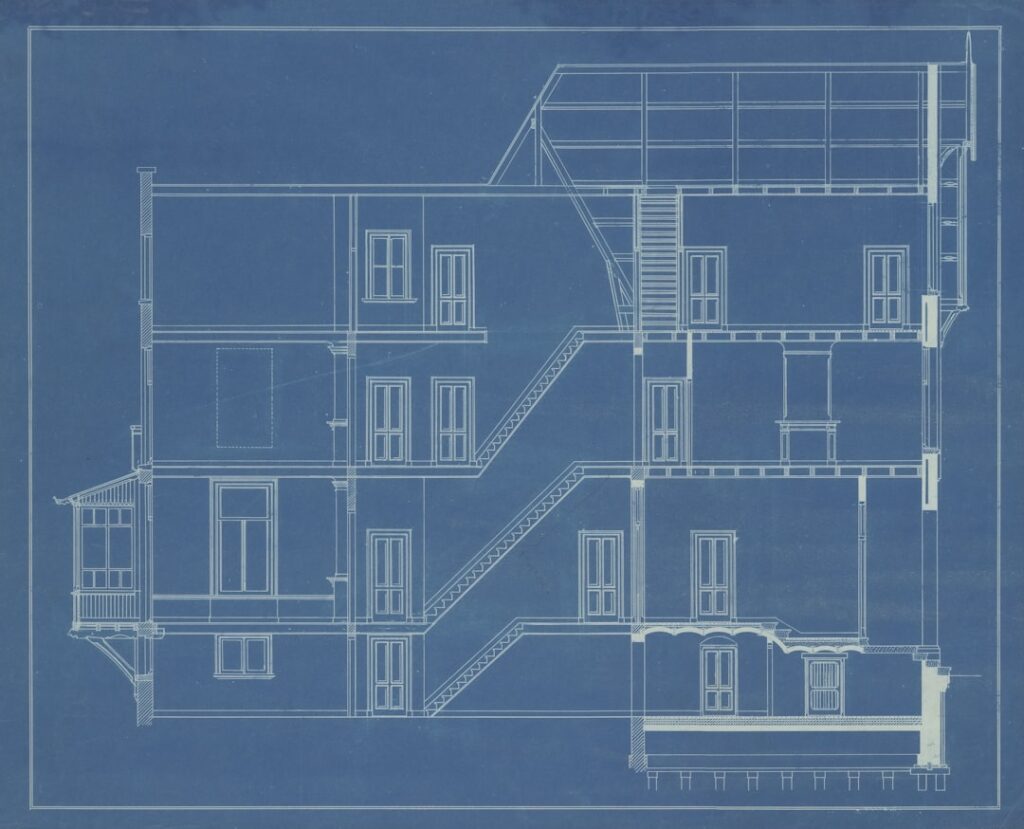
Architectural construction documents are the backbone of any building project. They serve as the detailed roadmap that guides contractors, engineers, and builders from concept to completion. These documents go beyond simple drawings, encompassing a full set of instructions, specifications, and standards that ensure a building is constructed accurately and safely according to the design intent.
At their core, construction documents include architectural drawings, structural plans, mechanical and electrical layouts, and various specification sheets. Each component has a distinct purpose. Architectural drawings illustrate the design—floor plans, elevations, and sections—while structural documents focus on the framework that supports the building. Mechanical, electrical, and plumbing (MEP) plans detail the systems that make the building functional, from HVAC installations to wiring and piping routes.
One of the most crucial aspects of these documents is coordination. Architects often work with a team of engineers and consultants to ensure their designs are feasible and compliant with local building codes. This collaboration is reflected in the construction documents, which must be cohesive and free from conflicts. For example, an HVAC duct placement must not interfere with structural beams or electrical conduits. These intricacies are resolved during the documentation phase, reducing errors and costly changes during construction.
Attention to detail is fundamental in the preparation of architectural construction documents. Every line on a plan must communicate intent clearly, from wall thicknesses to door swings. Notes and symbols must be standardized and universally understood by anyone involved in the construction process. These documents also serve a legal function, often forming part of the contract between owners and builders. Therefore, precision is not only preferable but necessary.
Beyond the drawings, the specifications section outlines materials, installation methods, quality standards, and testing requirements. This narrative component complements the visual information by detailing the performance expectations of each building element. For instance, it might specify the type of concrete mix to be used, the grade of insulation required, or the fire rating of doors and walls. When combined with the drawings, these specifications ensure that a building is not only well-designed but also constructed to perform as intended.
Modern technology has transformed how these documents are created and shared. Building Information Modeling (BIM) allows architects and engineers to develop a 3D model of the building, from which construction documents can be generated. This method enhances accuracy and coordination, as the model updates in real time when changes are made. Despite these advancements, the fundamentals of clear communication and thorough documentation remain unchanged.
The role of construction documents extends into the construction phase and beyond. During building, contractors rely on them for layout, dimensions, and material selection. Inspectors use them to verify compliance with codes and regulations. After completion, they serve as a record for maintenance, renovations, or future expansions. Their value is long-term, making their accuracy and completeness critical.
Creating comprehensive and organized construction documents requires experience and a deep understanding of building systems. Professionals who specialize in this area ensure that every aspect of the design is translated into buildable instructions. Their work supports the construction team, protects the client’s investment, and upholds the integrity of the design.
For those involved in the design and construction industry, understanding the importance and function of these documents is essential. Whether you’re an architect, contractor, or property owner, recognizing how these documents contribute to a project’s success can enhance collaboration and outcomes. To explore more about the process and services involved, you can find additional insights on professional drafting and design resources online.
In conclusion, architectural construction documents are more than just blueprints. They are comprehensive guides that bridge the gap between design vision and built reality. As tools for communication, compliance, and construction, they play a pivotal role in every successful building project.