
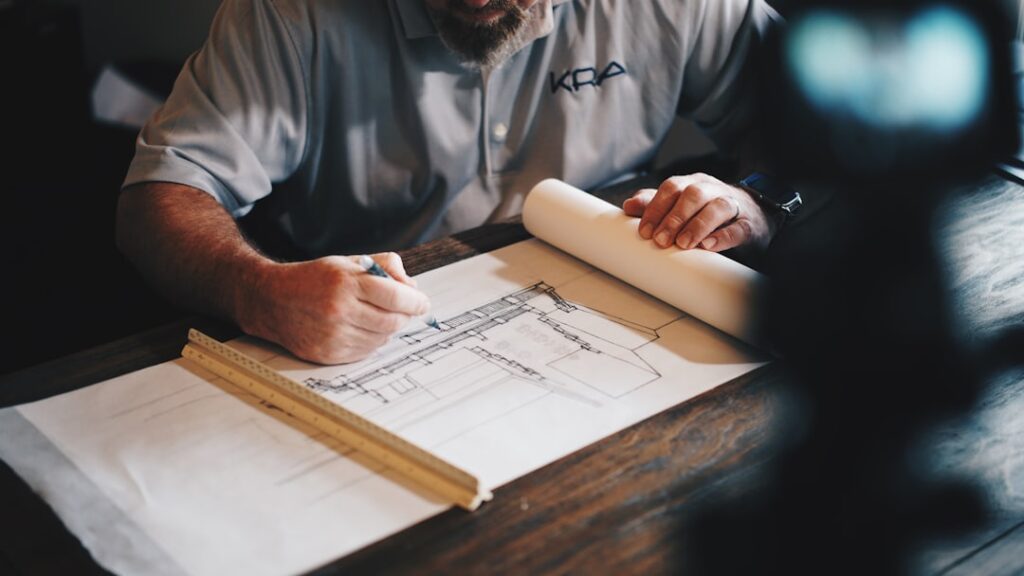
If you’re a business owner ready to build, understanding architectural construction documents is non-negotiable. These papers are the blueprint for your entire project, detailing everything from dimensions to materials and installation methods. Skipping over something like a zoning permit because of incomplete paperwork can stop work dead in its tracks. It’s not rare for projects to stall because a critical form was missed or a drawing lacked necessary detail. For example, contractors often check the structural drawings multiple times to confirm beam sizes and connection points before ordering materials. This prevents costly errors down the line.
Design completion isn’t the finish line. The construction document stage demands sharp attention to detail. Drawings must clearly show every structural element and system, including electrical and plumbing layouts. Materials have to be specified precisely, not just by type but also quality grade and manufacturer where relevant. Installation instructions need to be clear to avoid guesswork on site. A frequent mistake is relying on generic document sets that don’t match the specific building codes or site conditions, causing rework and delays.
Documents are varied and each serves a distinct purpose. Specifications describe the standards for workmanship and materials, ensuring consistent quality across contractors. Construction drawings give a graphic representation of the design intent, showing how components fit together from foundation through roofing. Site evaluation reports assess soil conditions, drainage, and access issues, helping decide if the location is viable for your intended structure. These documents work together to satisfy local regulations and provide a clear roadmap for builders.
Working with local experts who understand both architectural design and building permits can make the process smoother. In Phoenix, for instance, professionals often perform feasibility studies early on to flag potential zoning restrictions or environmental concerns. They examine site topography and existing infrastructure to highlight challenges that might not be obvious initially. This upfront insight can prevent expensive fixes during construction, like unexpected grading or utility relocations.
Value engineering is a step often missed but incredibly useful during the document preparation phase. It involves scrutinizing each project element to find ways to reduce costs without sacrificing performance. This might mean selecting alternative materials that meet code but cost less or adjusting structural elements for efficiency. Collaborating closely with architects and engineers here can balance budget constraints with design goals, sparing last-minute changes once construction begins.
Submitting these documents for municipal approval is often a source of frustration. Local authorities require complete, accurate sets that comply with all code requirements. Missing signatures or outdated forms can send your application back, wasting time. Having someone familiar with local submission protocols review your package before delivery can catch errors early. Such a hands-on approach helps keep the approval process moving forward without unnecessary interruptions.
Keep in mind that communication between all parties involved is vital throughout this stage. Clear documentation reduces misunderstandings between designers, contractors, and inspectors. Many teams adopt a habit of conducting regular document reviews and updates as designs evolve, preventing conflicts later on. Checking the latest city code editions and cross-referencing permit conditions also avoids surprises during inspections.
Understanding the full scope of architectural construction documents empowers you to manage your project effectively. Working with professionals who provide detailed guidance on architectural construction documents allows you to avoid common pitfalls and keep your build on track. Whether it’s clarifying specifications or preparing submission packets, this partnership ensures your vision translates accurately into a constructed reality.
Don’t underestimate the value of local knowledge either. Engaging with teams experienced in building permit assistance in phoenix can make all the difference when dealing with municipal requirements and site-specific challenges.