
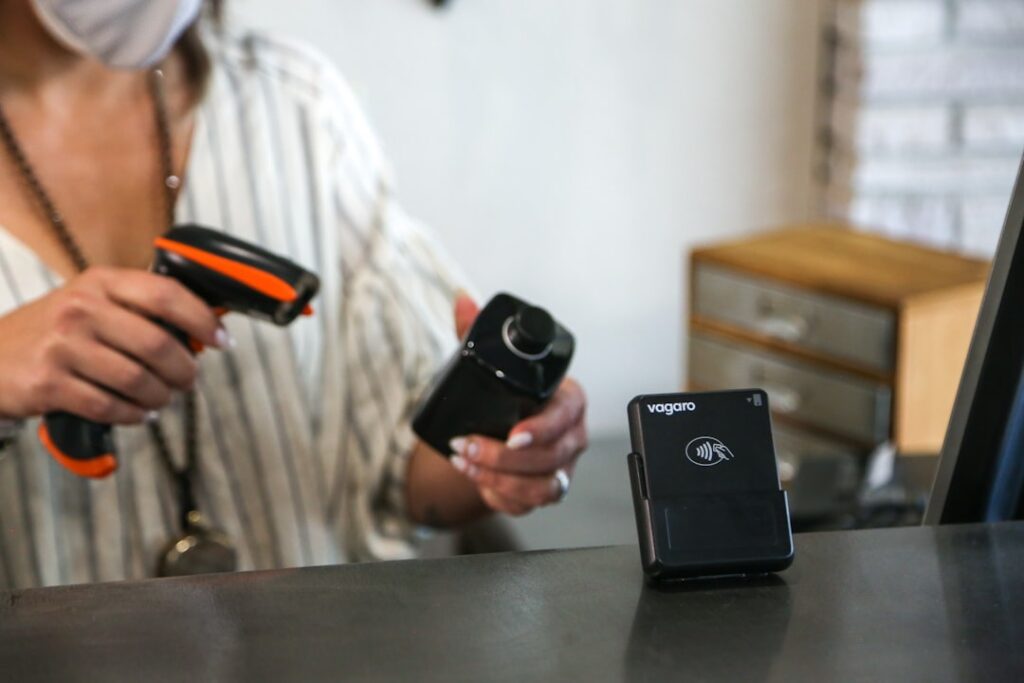
In busy hospital wards, nurses often juggle mountains of patient data alongside medication schedules. Using a wireless barcode scanner can cut down on errors by quickly verifying patient wristbands against medication labels. This speeds up the process and reduces the risk of giving the wrong dosage. Nurses often keep a checklist to double-check scanned items, but scanners help minimize the need for constant cross-referencing. When time is tight, shaving off even a few minutes per patient makes a big difference in care quality and staff focus.
Manufacturing plants demand quick, accurate inventory tracking to avoid costly downtime. Installing barcode readers on assembly lines lets workers monitor stock levels immediately. If a part runs low, alerts prompt the team to reorder before it halts production. Workers typically log any discrepancies on physical sheets; scanners help cut down on these manual entries and errors. Real-time data keeps the workflow moving, preventing bottlenecks caused by missing components or misplaced items.
Retailers face pressure from customers expecting fast checkouts, especially during rush hours. Self-service kiosks with barcode scanners let shoppers scan items themselves, reducing wait times and easing lines. Staff can then spend more time restocking shelves or assisting customers with questions instead of manning registers. Many stores train employees to spot items that scanners might miss, like produce without barcodes, ensuring smooth transactions. This mix of technology and human oversight improves the shopping experience significantly.
In logistics and warehousing, precision is critical. Packages move through many hands before reaching their destination, and scanning barcodes at each stage confirms accuracy. This practice helps avoid sending wrong orders or losing parcels in transit. Warehouse workers often double-check labels visually to catch misprints that scanners might not read correctly. Every checkpoint where a scan occurs adds a layer of accountability, minimizing costly errors and delays in shipping.
NUMA offers products tailored to different industries’ needs. The DT-90F Single Tube Reader excels in medical settings, providing fast and precise readings crucial for patient safety. The DT-90 Medical Tool Reader supports surgical teams by tracking instruments used during procedures, reducing the chance of misplaced tools. These devices reflect an understanding of frontline challenges, like the need for quick scans without fumbling bulky equipment.
Retail environments benefit from versatile devices like the DT-80 Self-Service POS Kiosk Barcode Scanner. It handles both paper barcodes and digital codes on mobile screens effortlessly, accommodating varying customer preferences. Staff often remind shoppers to hold phones steady or adjust brightness to ensure a smooth scan. This practicality fosters quicker checkouts and happier customers while also keeping inventory data accurate.
Adopting a reliable barcode scanner system can transform workflows in hospitals, manufacturing lines, retail stores, and logistics centers alike. These tools reduce manual errors, speed up routine tasks, and free personnel to focus on essential duties rather than paperwork. Practical use cases, from nurses confirming medications to warehouse workers verifying shipments, show how scanning technology meets real operational needs.
For those exploring options that fit specific operational demands, consider checking out barcode scanning hardware for healthcare that supports accuracy and efficiency in medical environments.