Moisture problems in basements are a common concern for homeowners, especially in regions with high water tables or frequent rainfall. A damp or flooded basement can lead to structural damage, mold growth, and a decrease in property value. This is why understanding the principles and methods of basement waterproofing is essential for maintaining a safe and dry living environment.
Basement waterproofing involves several techniques and materials designed to prevent water from entering or accumulating in a basement. These methods can be applied during the construction of a new home or retrofitted into older buildings. The key objective is to create a barrier that stops water infiltration either from the outside or manages it from the inside.
There are two main approaches to basement waterproofing: external and internal. External waterproofing is often considered more effective because it addresses the root of the problem — water intrusion from outside the foundation walls. This method typically involves excavating the soil around the home’s foundation to apply a waterproof coating or membrane to the exterior walls. Drainage systems such as French drains are also commonly installed to redirect water away from the foundation.
Internal waterproofing, on the other hand, works by managing water that has already entered the basement. This might include sealing cracks in walls or floors, installing sump pumps, or using interior drainage systems that collect and divert water to a safe discharge point. While this method is less invasive and more cost-effective, it does not prevent water from reaching the foundation, only from accumulating inside.
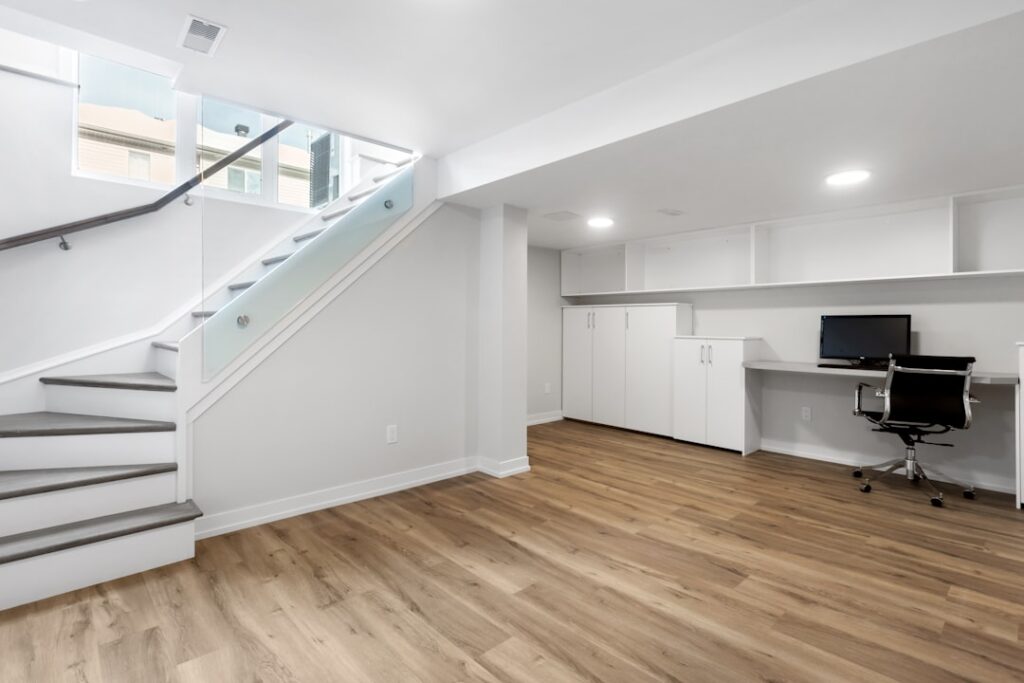
Choosing the right waterproofing solution depends on several factors including the source of the water, the condition of the foundation, and the intended use of the basement space. For example, a finished basement used as living space may require a more robust approach than a storage area. In some cases, a combination of both internal and external methods may be the most effective strategy.
A key component of many waterproofing systems is the use of liquid-applied membranes. These products are applied to surfaces to create a seamless, flexible barrier that resists water penetration. Liquid membranes can be used on both new constructions and existing homes, and they are particularly useful in areas with complex shapes or hard-to-reach spots. For effective basement waterproofing, these materials offer durability and adaptability, making them a popular choice among contractors and homeowners alike.
Proper drainage is another critical element in waterproofing a basement. Without effective water management, even the best membrane or sealant will eventually fail. Gutters and downspouts should be kept clean and directed away from the foundation. Landscaping should be graded to slope away from the house, minimizing the amount of water that collects near the basement walls.
In addition to water intrusion, moisture buildup through condensation can also contribute to damp basement conditions. High humidity levels, poor ventilation, and temperature differences between indoor and outdoor air can cause condensation on walls and floors. Installing dehumidifiers and improving air circulation can help mitigate these issues and support the overall effectiveness of waterproofing efforts.
When considering various waterproofing options, it is important to consult with professionals who understand the specific challenges of your property. A thorough inspection can identify potential vulnerabilities and recommend appropriate solutions. This is particularly important for older homes or properties located in flood-prone areas, where the risk of water damage is greater.
Homeowners seeking more information on how to protect their property from water damage can benefit from exploring expert resources and product options available through specialized providers. For more insights into innovative protective coatings and construction solutions, visit this building materials resource.
In conclusion, basement waterproofing is a vital investment in the longevity and safety of your home. Whether through external barriers, internal drainage systems, or a combination of both, taking proactive steps can prevent serious issues and preserve the value of your property. Understanding the available methods and choosing the right approach ensures your basement remains dry, functional, and free from water-related problems.