
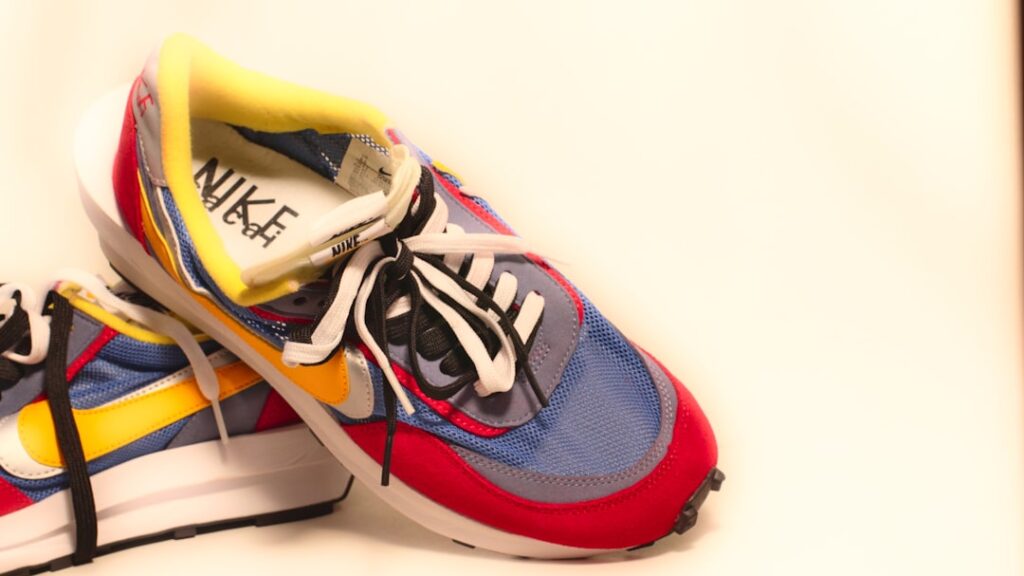

People often assume that one insole design fits everyone. That’s not how feet work. Flat feet need different support than high arches, and narrow feet require something else compared to wide ones. Custom insoles take those differences into account, molding perfectly to your foot’s contours. For example, if you have plantar fasciitis, targeted cushioning and arch support can ease tension in the heel. On the other hand, Achilles tendonitis sufferers might benefit from additional heel padding and improved alignment.
The process to get these insoles is straightforward but effective. The insoles are heated until soft, then you step onto them to create an imprint of your feet. This hands-on fitting ensures the cushioning aligns exactly where your foot needs it most. It’s not uncommon for people to notice immediate relief after the first use. It can prevent common issues like overpronation or uneven weight distribution that lead to pain and injury over time.
Investing in quality insoles can change how your feet feel during daily tasks. Take retail workers, for instance, who stand on hard floors for hours, custom insoles help by reducing pressure on the balls and heels of their feet. Runners and athletes also see benefits: proper foot alignment improves biomechanics, which can boost performance and cut down on injuries. Plus, good insoles encourage better posture by stabilizing the feet, which affects knees and lower back.
Custom insoles aren’t limited to one type of shoe either. Whether you’re wearing work boots, running shoes, or casual sneakers, these insoles can be adapted to fit comfortably inside. This flexibility means you don’t have to sacrifice foot health for style or function. A practical tip: always check the insole thickness before buying new shoes to make sure you have enough room. Trying the insoles with the shoes you’ll wear daily avoids surprises later.
Many companies back their custom insoles with a trial period, often around 100 days. This lets you test them without risk and return if they don’t meet your needs. It’s worth noting that some discomfort during the first few days is normal as your feet adjust. Don’t expect a magic cure overnight; give your body time to adapt. Reading the fitting instructions carefully can prevent mistakes like overheating the insoles or stepping unevenly during molding.
If foot pain is holding you back, consider exploring options like boots foot insoles. They’re designed to relieve pressure points and improve overall comfort during long days on your feet. Free shipping and returns make trying them easy, removing much of the risk when switching from generic insoles.
Besides comfort, these custom insoles support foot health by encouraging correct alignment throughout your movement. This is especially important if you have chronic conditions affecting your feet or legs. Choosing insoles tailored to your specific needs helps maintain healthy joints and reduces wear over time. For more detailed information on how these products work and their benefits, visit foot support options for active lifestyles.