
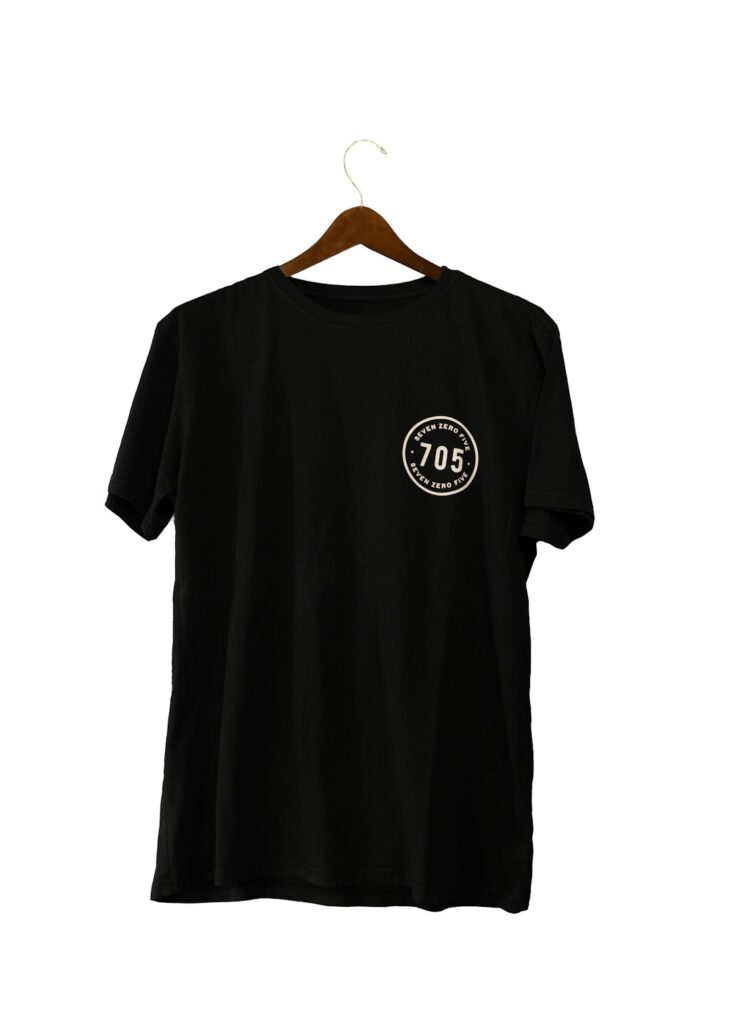

A small business owner launching a promotional campaign chose direct-to-garment printing for its ability to print high-resolution images directly onto fabric. They didn’t realize that skipping garment pre-treatment affects ink bonding, causing prints to fade within a few washes. This common oversight often results from rushing the process or lacking experience with textile preparation.
Before settling on a printing technique, consider what the project demands. Embroidery gives a polished, professional feel on polo shirts but won’t capture photo-like designs. Digital heat transfer can produce vivid imagery on cotton tees but may peel over time if applied incorrectly. Testing samples and checking fabric compatibility can save headaches later.
The fabric itself matters just as much. High-quality cotton generally holds ink and stitching better than cheap blends, which might be too thin or rough. The texture influences how embroidery threads sit and how vibrant prints look. Weight also affects durability; heavier fabrics typically withstand repeated washing without losing shape or color.
Scalability is another factor. Vinyl printing works well for limited runs because it’s cost-effective and fast but becomes impractical for large volumes due to time-consuming layering and cutting. On the other hand, screen printing is more efficient for bulk orders but requires setup time and minimum quantities. Planning ahead avoids bottlenecks when demand grows.
Keeping clear communication between designers, printers, and clients reduces errors. A frequent pitfall is misaligned expectations about color accuracy or print placement. Checking proofs carefully and clarifying details prevents reprints. Teams often save their design files in formats compatible with the printer’s software to streamline production and avoid format issues.
Exploring class shirt designs reveals creative approaches tailored to different needs. Whether it’s combining embroidery with printed elements or choosing specialty inks for texture, options abound for unique apparel that reflects the brand. Businesses that spend time understanding these choices end up with shirts that last and impress.
For practical advice on fabric choices, printing techniques, and avoiding common mistakes, visit custom apparel printing tips. Experienced printers often recommend requesting test prints and verifying wash tests before committing to large orders. This hands-on approach helps catch issues early and ensures the final product meets expectations.