
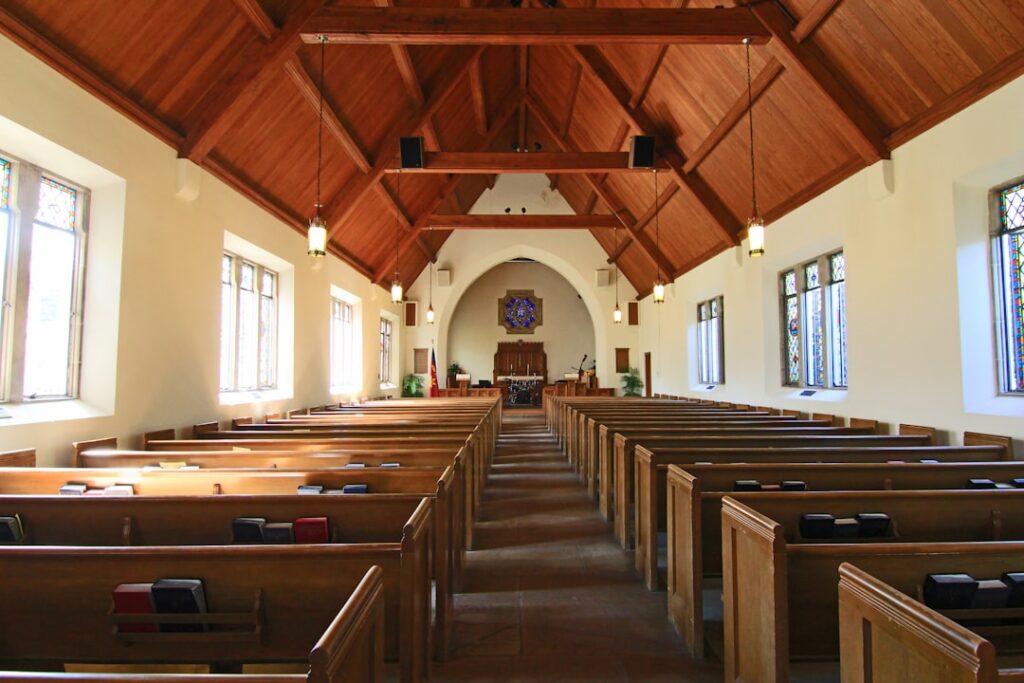
Walking into a church that feels inviting yet solemn depends a lot on the lighting. The right setup doesn’t just brighten the room; it highlights architectural features, sets the mood for worship, and helps focus attention where it counts. Many churches struggle to find that balance because lighting needs to be functional and atmospheric without overwhelming the space. A good plan takes into account how natural light interacts with artificial sources throughout the day and during different services.
Each church building is unique. Older churches with vaulted ceilings often benefit from chandeliers or pendant lights that fill the volume and draw eyes upward, emphasizing height and grandeur. Modern churches might lean toward recessed lights or track lighting that blends into the décor while providing even illumination. The key is matching fixtures to the building’s style and how the congregation uses the space, whether for quiet prayer, community events, or musical performances.
Energy use is a practical concern that can’t be ignored. Switching over to LED bulbs reduces electricity bills significantly and cuts down on frequent replacements since LEDs last much longer than incandescent bulbs. A common mistake is installing too many lights without controls, which wastes power. Using dimmers and timers tailored to specific events or times of day helps keep things efficient without sacrificing warmth.
The colour temperature of lighting affects how people feel in the room. Warm white light (around 2700K to 3000K) produces a cozy, welcoming vibe ideal for services. Cooler white light (3500K to 4100K) can sharpen focus during meetings or study groups. Many churches use dimmable fixtures so they can adjust brightness and tone depending on the occasion. It’s worth testing different settings during real services rather than guessing from a catalog.
Safety is often overlooked in lighting plans but should be front and center. Pathways, stairs, and entryways need reliable illumination to prevent trips and falls, especially in evening services or events with many attendees. Emergency lighting must comply with safety regulations and activate automatically if power cuts out, allowing people to exit calmly. Simple things like clearly marked exit signs and avoiding overly dark corners contribute to a safer environment.
When considering an upgrade or redesign, consulting with professionals experienced in church lighting can save time and money. They understand how to work around architectural quirks and meet different functional needs without over-lighting. One practical tip from their experience is always reviewing the wiring layout early; it prevents costly surprises when installing new fixtures or controls.
Lighting design also benefits from input by the congregation and staff who use the space daily. Collecting feedback about trouble spots or activities that need special lighting conditions can guide decisions. Regular maintenance schedules are another detail often missed, cleaning fixtures and replacing bulbs on time keeps the system performing well and avoids uneven lighting.
If you’re interested in transforming your church’s atmosphere and functionality through thoughtful lighting, reach out for advice on lighting options for worship spaces. Proper lighting does more than improve visibility, it shapes how people experience the sacred space around them. Whether updating a few fixtures or planning a full installation, practical guidance is available to help you get it right.