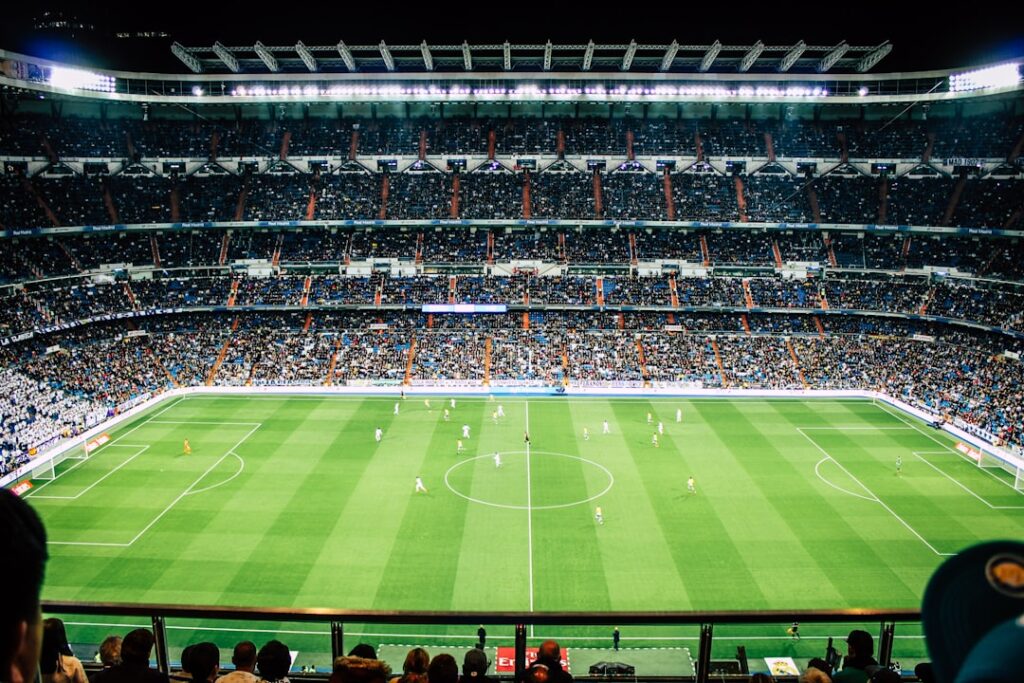
When the sun dips below the horizon at a bustling sports ground in Perth, the quality of lighting can make or break the experience. Players need clear visibility to perform well and avoid injuries, while spectators rely on consistent lighting for enjoyment. Yet, many sports facilities miss the mark by neglecting proper lighting design. Common pitfalls include choosing fixtures with inadequate wattage or installing lights without considering their angle and height, resulting in uneven brightness and distracting glare. These errors not only affect play but also raise safety concerns.
Take the example of a local football club that upgraded its lighting without expert advice. After the setup, some parts of the field stayed shadowy, creating blind spots that disrupted gameplay and risked player safety. A thoughtfully planned lighting system considers the sport’s unique needs along with field dimensions, ensuring illumination is even and reliable. Factors like beam spread, pole height, and fixture spacing are crucial to prevent hotspots or dark zones.
Energy efficiency is another major factor often overlooked. LED lighting systems may require a higher initial investment compared to traditional halogen fixtures, but they typically reduce electricity bills significantly over time. One community sports centre switched from outdated halogen lamps to LEDs and saw a noticeable drop in energy costs alongside improved court visibility. LEDs also need less frequent maintenance, cutting down on long-term expenses and downtime.
Installation quality dramatically impacts lighting performance. Some facilities try to handle installation themselves or hire inexperienced contractors. This often leads to problems such as uneven light coverage or even electrical hazards. Proper installation requires attention to wiring standards, secure fixture mounting, and compliance with local safety codes. Experienced installers conduct detailed site assessments and use tools like light meters to verify uniformity after setup.
Maintenance cannot be ignored either. Regular checks catch issues like damaged bulbs, corroded wiring, or misaligned fixtures before they escalate. For instance, a basketball court that skipped routine maintenance faced frequent outages and costly emergency repairs. A maintenance schedule should include cleaning lenses, tightening connections, and replacing aging components to keep systems running smoothly.
Local conditions in Western Australia add another layer of complexity. Lighting equipment must withstand harsh weather including strong winds, dust, and occasional heavy rain. Using weather-resistant materials and corrosion-proof finishes helps extend equipment life outdoors. Professionals familiar with WA regulations can guide choices that meet environmental standards while optimizing energy use.
If your current lighting setup falls short or you’re planning a new installation, consulting specialists with hands-on experience in sports lighting is a smart move. Proper illumination enhances not just player performance but also safety for everyone involved. For detailed advice on upgrading or installing sports lighting in WA, consider reaching out to professionals offering australian sports lighting solutions.
Investing in the right lighting pays off by delivering a safer, more enjoyable environment for players and fans alike. Poor planning or shortcuts in technology choice, installation, or upkeep often lead to persistent issues that frustrate users and inflate costs. For guidance tailored to your facility’s needs, you can also explore resources on sports lighting advice in perth.