Spearfishing is a thrilling and rewarding way to connect with the underwater world, combining the skills of freediving, hunting, and environmental awareness. For those who are passionate about this sport, having the right equipment is not just about convenience—it’s about safety, efficiency, and maximizing time in the water. Whether you’re a beginner or a seasoned diver, understanding the essential gear for spearfishing is crucial to enhancing your experience.
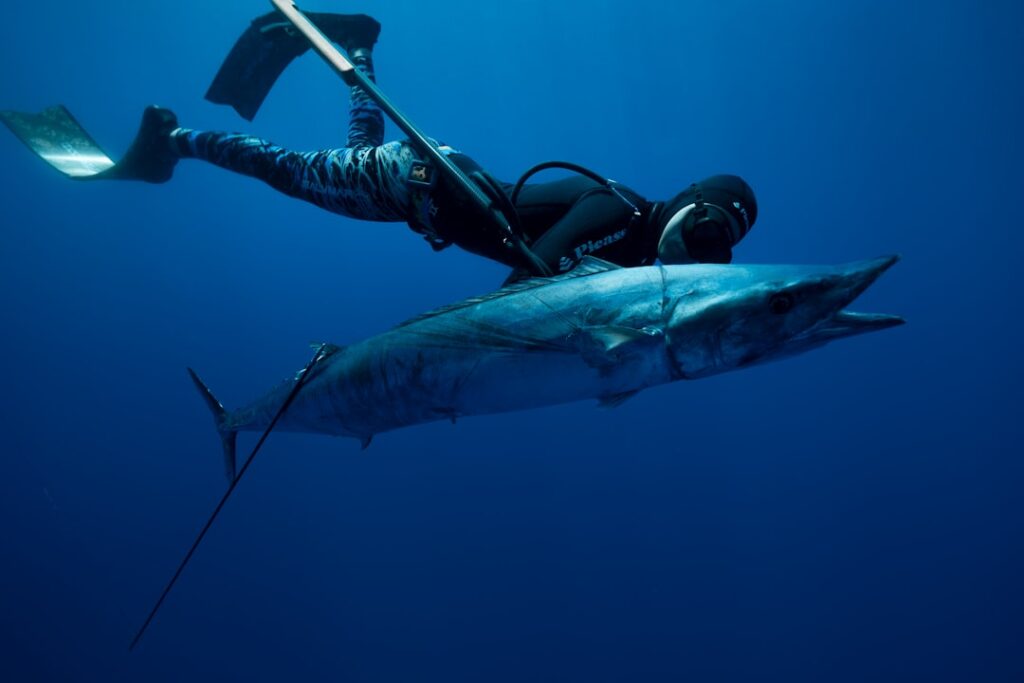
At the heart of any spearfishing setup is the spear gun or pole spear. These tools come in a variety of forms and sizes, each suited to different types of fish and diving conditions. Choosing the right one depends on factors such as water visibility, target species, and personal preference. Spear guns are often favored for their range and power, while pole spears offer simplicity and are ideal for close-range hunting in tight reef environments.
Equally important is the proper exposure protection. Wetsuits not only keep you warm in cooler waters but also offer protection from cuts, stings, and abrasions. A well-fitting wetsuit should allow full range of motion and provide adequate thermal insulation based on the temperature of the water you’ll be diving in. In warmer climates, thinner suits or even dive skins may be appropriate, offering comfort without overheating.
Another critical component is a reliable mask and snorkel. A low-volume mask is preferred for spearfishing as it requires less effort to equalize, making it easier to dive deeper. The snorkel should be simple and sturdy, allowing for effortless breathing at the surface and easy clearing after dives. Comfort and fit are key—poorly fitted masks can lead to leaks and frustration during dives.
Fins designed specifically for freediving or spearfishing are a must. These fins are typically longer and more flexible than traditional snorkeling fins, providing greater propulsion with less energy expenditure. This efficiency is vital when diving repeatedly and holding your breath. Foot pockets should be snug but not tight, and many divers choose to wear neoprene socks for added comfort.
A weight system is essential to help achieve neutral buoyancy. This allows you to descend more easily and stay submerged with minimal effort. Weight belts made of rubber are often preferred for their flexibility and ability to stay secure during dives. The amount of weight needed will vary based on your body composition, suit thickness, and experience level.
Safety gear should never be overlooked. A dive knife or cutting tool is important for dealing with potential entanglements, and a float or buoy provides visibility to boaters and a place to rest or store fish and extra gear. Some divers also use reels or lines attached to their spear guns to help manage larger fish and reduce the risk of losing equipment.
For those looking to refine their setup or explore new tools, understanding the available gear for spearfishing can open up new opportunities and improve overall performance. From advanced fins and low-drag snorkels to innovative storage solutions and safety accessories, the right gear can make a significant difference.
Maintaining your equipment is just as important as choosing it. Rinse all gear thoroughly with fresh water after each use, especially after diving in saltwater. Store items in a cool, dry place away from direct sunlight to prevent damage and degradation. Regularly inspect key components like spear gun bands, mask straps, and fin blades for signs of wear.
As you progress in your spearfishing journey, your gear preferences may evolve. Some divers gravitate toward minimalist setups, while others invest in specialized items for specific types of hunting or environments. Staying informed and adaptable helps ensure that your gear continues to meet your needs and supports your growth in the sport.
For additional insights and a wide selection of tools designed for the serious underwater hunter, visit this site offering thoughtfully engineered spearfishing equipment and accessories. Combining practical function with durable materials, this resource supports both novice and experienced divers alike.
Spearfishing is more than a sport—it’s a way to challenge yourself, connect with nature, and embrace a sustainable method of harvesting food. By investing in proper gear and taking the time to learn how each piece contributes to your success, you can enjoy a safer, more enjoyable experience every time you enter the water.