
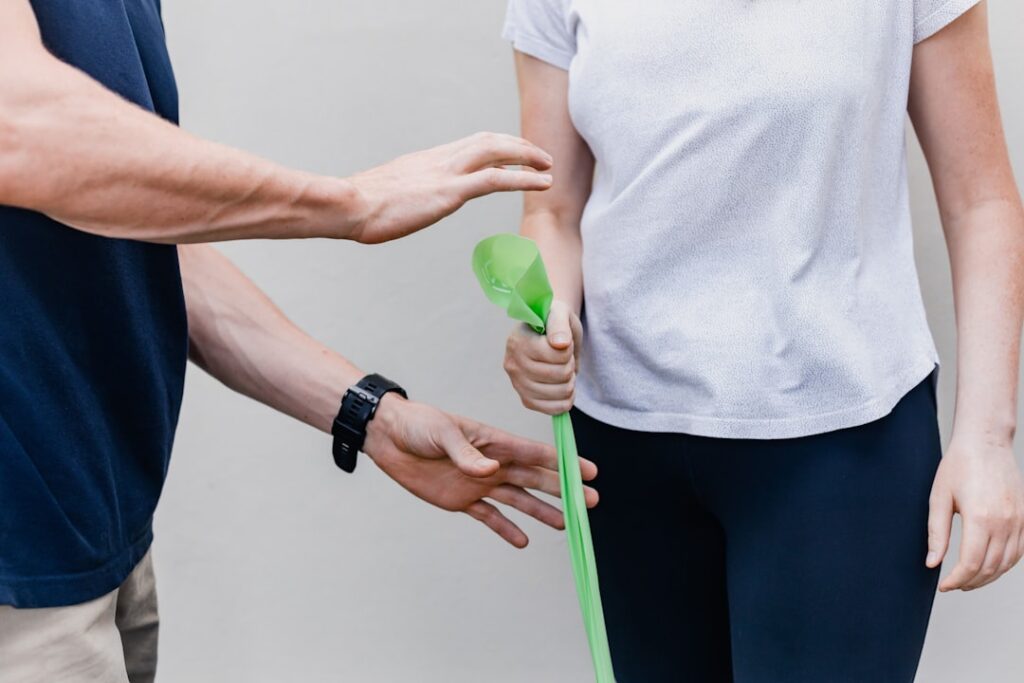
After a long day, it’s frustrating when back pain flares up again. Reaching for ibuprofen might dull the ache temporarily, but it rarely fixes the underlying issue. Exercise rehabilitation offers a more targeted approach by focusing on restoring movement and function through exercises made to suit your specific needs. This method helps you regain control over your body and daily routine, rather than just masking symptoms.
Physiotherapy is often the cornerstone of exercise rehabilitation. A physiotherapist will assess your physical state, often using hands-on techniques like manual therapy or functional movement training to reduce pain and boost mobility. For example, after knee surgery, guided stretching and strengthening exercises can prevent stiffness and rebuild muscle support. Sessions are tailored to avoid aggravating injuries, which reduces setbacks and speeds recovery.
Exercise physiology complements physiotherapy by addressing overall fitness and any underlying health conditions. An exercise physiologist evaluates your endurance, strength, and flexibility, then designs a program that accounts for issues like diabetes or cardiovascular concerns. For someone managing musculoskeletal pain alongside diabetes, a carefully balanced exercise plan can improve both joint health and blood sugar control without risking injury.
Dry needling has become an increasingly common option in rehabilitation clinics. It involves inserting fine needles into muscle trigger points to relieve tension and pain. While some patients experience notable relief after just a few treatments, this technique isn’t suitable for everyone and should be discussed with your healthcare provider to ensure it fits your recovery plan.
Supportive techniques such as taping and casting are frequently used during rehab. Taping offers stability to injured muscles or joints while still allowing movement, which is helpful in earlier stages when full immobilization isn’t necessary. Casting is reserved for more serious injuries that require complete rest to heal properly. Knowing when to use each method can prevent further damage and avoid prolonging recovery.
Programs like GLA:D are designed specifically for people with hip or knee osteoarthritis. This evidence-based approach combines education about managing arthritis with targeted exercises that improve joint function and reduce pain. Participants often find they can move more freely and feel more confident handling daily tasks after completing the program.
Hydrotherapy uses water’s buoyancy to ease joint stress during exercise. It’s especially useful for those who find weight-bearing activities painful or difficult due to injury or chronic conditions. Water exercises allow for resistance training with less discomfort, making it easier to maintain consistency without overloading the affected areas.
Recovery can feel overwhelming when faced with persistent pain or injury. Yet, a well-rounded rehab plan that includes these methods can make a significant difference in how well you regain strength and function. If you want to see how exercise rehabilitation might help your recovery, reach out to a qualified professional who can tailor a plan for your situation. Finding the right combination of therapies empowers you to not just recover but improve your quality of life.
It’s common to misinterpret soreness from therapy as worsening injury, which leads some patients to stop treatment prematurely. Clear communication with your therapist about what’s normal discomfort versus harmful pain can prevent unnecessary delays. Additionally, keeping a simple daily log of your exercises and symptoms helps both you and your therapist adjust the program effectively based on real progress.
For more information on tailored recovery approaches, visit individualized rehab guidance.