
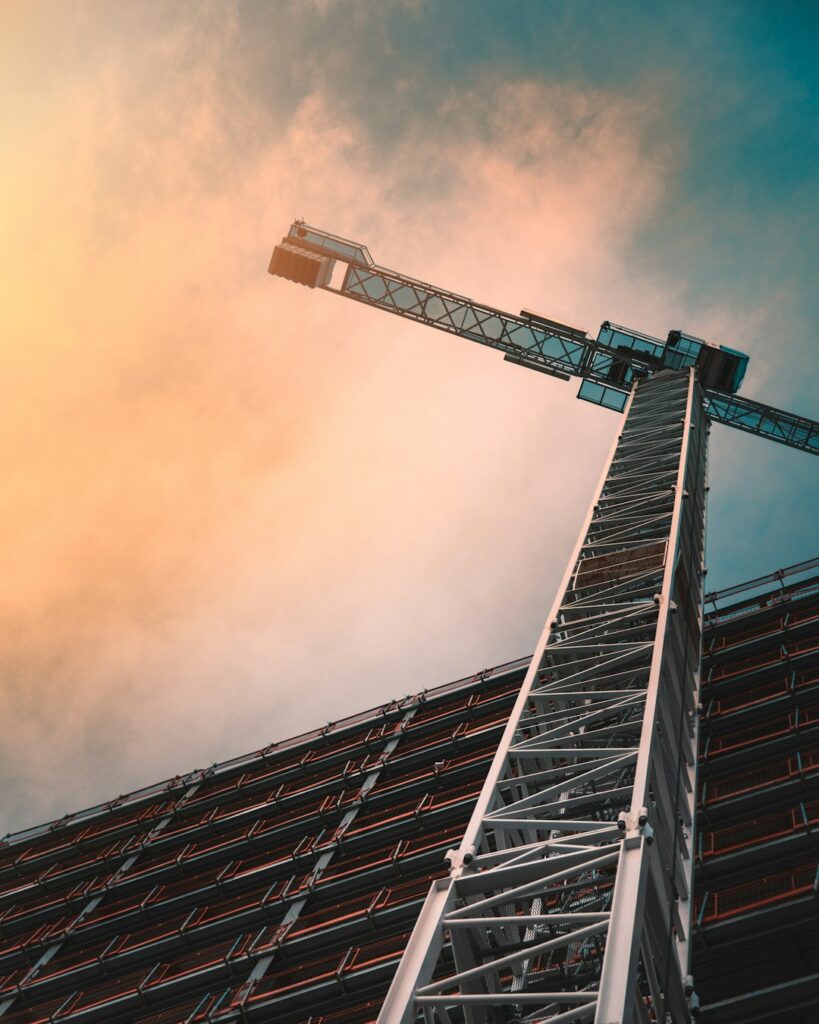
Sustainable construction is rapidly transforming the building industry by prioritizing environmental responsibility and resource efficiency. This approach not only reduces the ecological footprint but also offers long-term economic advantages for developers, homeowners, and communities alike. By integrating sustainable methods, projects can minimize waste, conserve energy, and utilize renewable materials that promote healthier living environments.
One significant advantage of adopting sustainable construction practices is the reduction of energy consumption during both the building phase and operational lifespan. Energy-efficient designs often incorporate advanced insulation, natural lighting, and renewable energy sources like solar panels, which lower utility costs while decreasing greenhouse gas emissions. These improvements contribute to a more resilient infrastructure that withstands climate challenges better than conventional structures.
Materials selection plays a crucial role in sustainable building processes. Opting for locally sourced, recycled, or biodegradable materials reduces transportation emissions and landfill waste. Moreover, innovative techniques such as modular construction allow for precision manufacturing and reduced onsite disturbance. These methods enhance project timelines and quality control, ultimately benefiting all stakeholders involved.
Beyond environmental concerns, sustainable construction fosters social benefits by creating healthier indoor spaces free from harmful chemicals and pollutants. Improved air quality leads to better occupant well-being and productivity. Additionally, eco-friendly developments often integrate green spaces that support biodiversity and community engagement.
The growing interest in sustainable construction has led to increased regulatory support and incentives at various governmental levels. Developers who comply with green building standards may qualify for tax credits, grants, or expedited permitting processes. These incentives encourage wider adoption of environmentally conscious practices throughout the industry.
For those interested in learning more about integrating sustainability into their projects or exploring cutting-edge solutions, numerous resources are available online. Many platforms offer detailed guidance on best practices and emerging trends in eco-friendly construction methods.sustainable building techniques provide valuable insights into current standards and innovations shaping the field.
As awareness continues to grow regarding environmental impacts and energy costs, sustainable construction stands as a pivotal element in responsible development strategies. It not only addresses immediate ecological concerns but also ensures the longevity and adaptability of built environments for future generations.green architecture principles further emphasize the importance of integrating nature-centric design elements with modern technology to achieve harmonious living spaces.
Embracing these principles empowers architects, builders, and owners to collaborate effectively toward common goals of sustainability without compromising functionality or aesthetics. The combined efforts result in structures that serve as benchmarks for efficiency while enriching surrounding communities.
In conclusion, sustainable construction represents a necessary evolution in how society approaches growth and development. Its comprehensive benefits span environmental stewardship, economic savings, health improvements, and enhanced quality of life. By prioritizing these values during planning and execution phases, stakeholders contribute positively to global efforts aimed at preserving natural resources while meeting human needs.