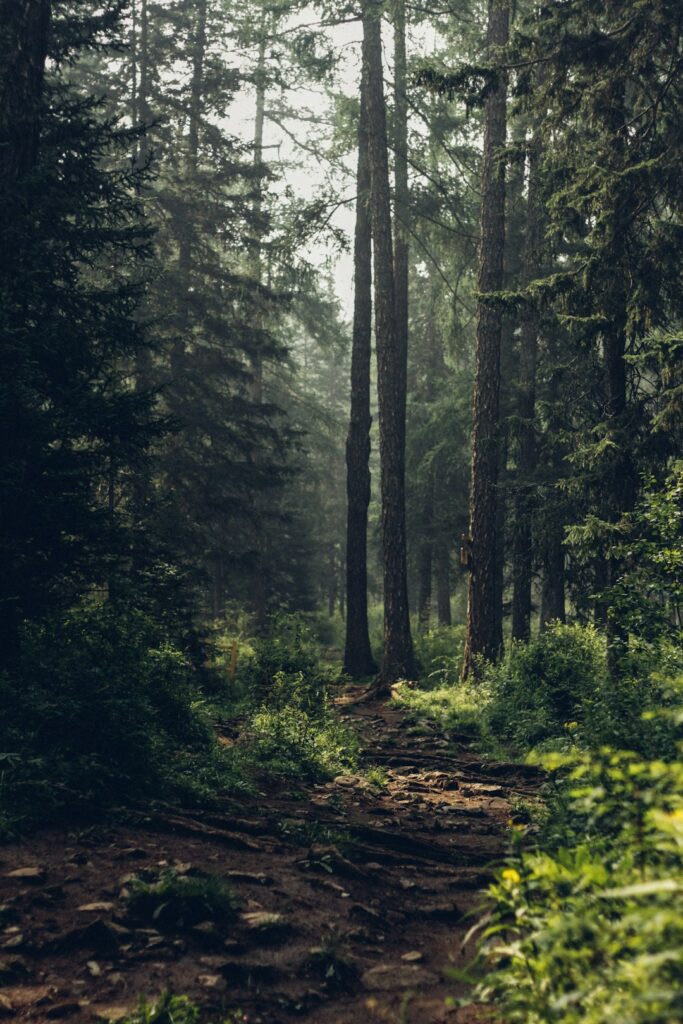
Forest school courses are gaining recognition as an enriching alternative to traditional classroom education. Rooted in principles of child-led learning and nature immersion, these programs provide a unique environment where children can grow their curiosity, confidence, and physical well-being. Whether offered as part of a school curriculum or as standalone sessions, forest schools offer a hands-on approach that encourages exploration and resilience.
At the heart of forest education is the belief that learning happens best when children are free to interact with the natural world. Through climbing, building, storytelling, and observation, participants develop problem-solving skills and creativity. These outdoor experiences are not only fun but also valuable in supporting emotional and social development. Many educators and parents find that children who attend forest programs show improved focus and adaptability in other areas of life.
With a growing demand for nature-based education, many are now seeking out professional forest school courses to become qualified leaders. These courses typically cover outdoor safety, child development theories, and practical teaching techniques. For those passionate about the outdoors and early childhood education, becoming a forest school leader can be both a fulfilling and impactful career path. Programs vary in length and intensity, but most include both theoretical learning and hands-on practice in natural settings.
What sets forest schooling apart is its emphasis on trust and autonomy. Unlike traditional classrooms where activities are often adult-directed, forest schools allow children to set their own pace and follow their interests. This approach fosters a deeper connection to learning and can be especially beneficial for children who thrive outside of conventional educational models. The natural environment offers a constantly changing backdrop, which adds an element of discovery to every session.
Families looking to introduce their children to forest school often start by exploring local offerings or trial programs. Some communities integrate these sessions into preschool or after-school activities, while others offer weekend adventures. To find out more about opportunities available in your area, including certifications and training, visit this forest education resource for detailed information and support.
As interest in outdoor education continues to grow, forest school courses provide a meaningful way to reconnect young learners with nature. They offer not just an alternative to indoor classrooms but a philosophy that values curiosity, resilience, and holistic development. For educators, parents, and children alike, the forest becomes more than just a setting—it becomes a teacher.