
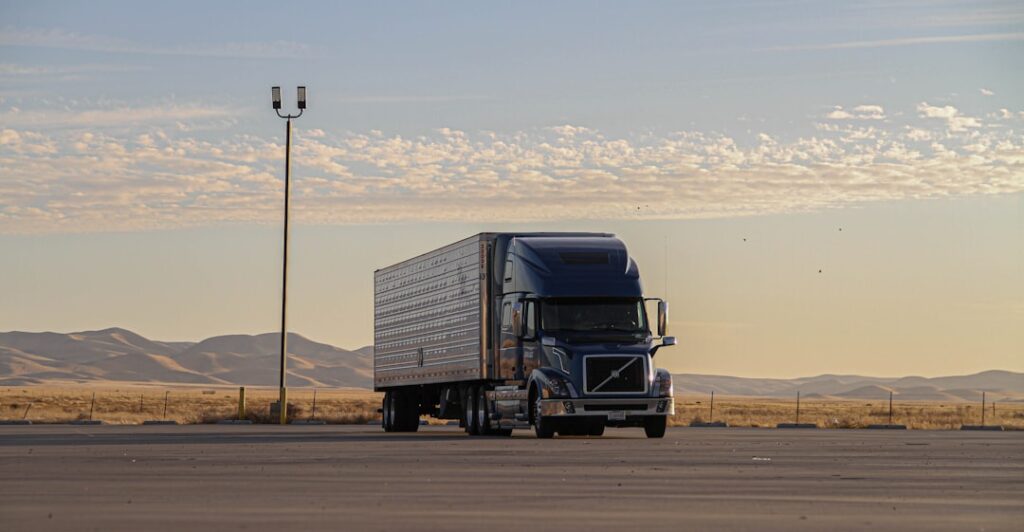
A fleet manager once dealt with a frequent problem: keeping trucks running smoothly on long routes without letting costs spiral. Rising fuel and repair bills made him realize tyres are not just rubber on wheels, they affect performance and the bottom line. One time, a truck suffered a tyre blowout because the chosen tyres couldn’t handle the load. That incident delayed deliveries and added unexpected repair costs, pushing him to rethink his tyre choices. He started checking load ratings carefully and comparing tread patterns to find something tougher.
A logistics firm faced regular tyre failures and downtime that weren’t planned. Their tyres wore out quickly because they weren’t built for the mix of highways and rougher roads their trucks hit daily. The team looked for tyres designed for diverse surfaces and heavy weights to cut replacements and keep trucks moving. They also began tracking tyre pressures more often, since underinflated tyres speed up damage. Routine checks became part of their driver’s daily tasks to catch problems early.
Understanding tyre types is key when picking for heavy or light trucks. Haulstar truck tyres, for example, are made to carry heavy loads while gripping well on different surfaces. Their strong build helps prevent failures over long distances. The sidewalls resist cuts and abrasions, which often cause unexpected flats. Drivers noticed fewer road stops after switching, which meant better scheduling and less stress.
Tread design matters a lot. Deeper treads give better traction on wet or uneven roads, which improves control and safety. This is critical in city driving where trucks stop and start frequently. Good tread design also helps with fuel economy by lowering rolling resistance. Some companies track fuel use before and after tyre changes, confirming these benefits in real numbers. They also watch tread wear patterns to spot alignment or suspension issues before they become serious.
Load ratings cannot be ignored. Each tyre has a specific load index showing how much weight it can safely support. Using tyres with too low a rating risks early wear or dangerous blowouts, especially under heavy loads. One fleet manager keeps a simple spreadsheet matching each truck’s maximum load with the correct tyre rating, preventing costly mistakes during busy seasons. Training staff to understand these ratings cuts down on mix-ups when replacing tyres.
Both companies ended up choosing haulstar truck tyres because they offered durability and performance under pressure. After the switch, downtime dropped noticeably, as did maintenance expenses. The advanced engineering behind these tyres also led to better fuel efficiency, which helps offset their upfront cost. Regular tyre inspections and proper inflation became part of standard operating procedures, further extending tyre life.
For any business running a transport fleet, picking the right tyres can make a big difference in operations and costs. Companies interested in improving their fleet’s reliability might want to look at haulstar truck tyres, engineered with features that meet real-world demands. Taking time to match tyres to load, road type, and driving habits pays off over time.
If you need guidance on selecting products suited to your fleet’s needs, you can find useful advice at fleet maintenance resources online. Having access to clear specifications and user feedback helps avoid costly errors and keeps trucks rolling longer.