
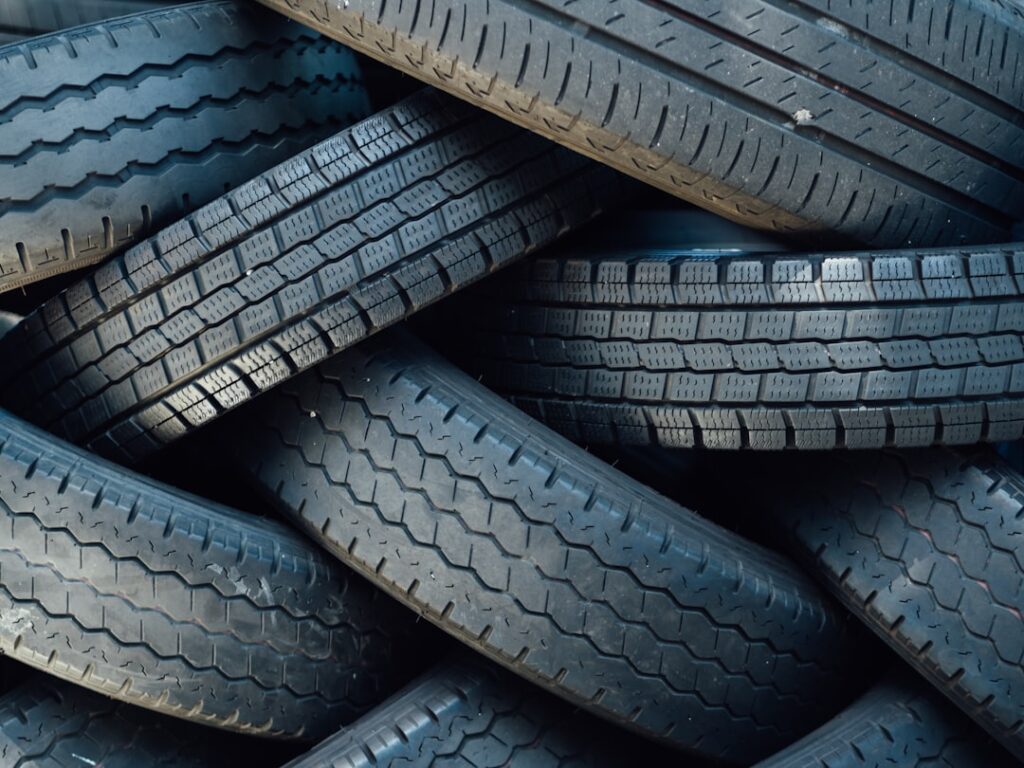
Imagine a transport yard early in the morning. Trucks are parked, engines idling, and drivers preparing for long trips. The fleet manager knows that the tyres chosen can make or break the day ahead. Heavy load tyres are built to sustain the extra weight and stress of fully loaded vehicles. They provide grip and stability across a range of surfaces, from highways to rough city roads, helping drivers keep control on every journey.
Choosing the right heavy load tyres means paying attention to tread patterns and rubber compounds. For example, deep treads improve traction in wet conditions but wear faster on dry roads. On the other hand, shallower treads can help with fuel economy but may compromise grip. Balancing these elements is key to extending tyre life and cutting costs. A common mistake is ignoring how different routes affect tyre wear; fleet managers often review mileage logs to adjust tyre choices accordingly.
Transport companies working in urban areas face a unique set of challenges. Heavy load tyres for light trucks in cities must handle frequent stops, tight turns, and impacts with curbs or potholes. Tyres with reinforced sidewalls help prevent damage and maintain performance under these conditions. Drivers often report that choosing tyres built for city use reduces unexpected downtime, which keeps deliveries on schedule.
Heavy load tyres aren’t limited to trucks on the road. Construction and logistics sectors rely on them too. Earthmover tyres, for example, endure tough terrain and heavy payloads without frequent punctures or blowouts. Forklift tyres need to support heavy loads while providing stability during lifts. Selecting the correct tyre type for each application reduces maintenance interruptions and improves operational efficiency.
Maintaining correct tyre pressure is a simple step with a big impact. Under-inflated tyres increase rolling resistance, wasting fuel and making vehicles harder to control. Over-inflation causes uneven wear and can lead to premature tyre failure. Regular pressure checks, preferably daily or before long hauls, are a routine many fleet operators swear by. Drivers often carry portable pressure gauges to verify inflation during inspections.
Inspections should go beyond pressure checks. Regularly looking for cuts, bulges, or uneven wear spots helps catch problems early. Some fleets use tyre monitoring technology that tracks temperature and pressure in real time, alerting managers to issues before they escalate. This proactive approach cuts down on roadside breakdowns and extends tyre lifespan. Keeping detailed maintenance logs also prevents miscommunication between shifts or drivers about tyre condition.
For companies seeking dependable performance, heavy load tyres are a reliable option with proven durability across different uses. Matching tyre types to specific operational needs can improve safety and reduce costs.
Consulting with professionals familiar with various vehicle types and environments adds value when selecting tyres. Their advice helps avoid costly errors like mismatched tyres or over-specification. Taking time to understand each vehicle’s workload, route conditions, and typical driving style leads to smarter purchases. When quality is prioritised in tyre selection, it protects both investment and everyone sharing the road.forklift tyre options guide