
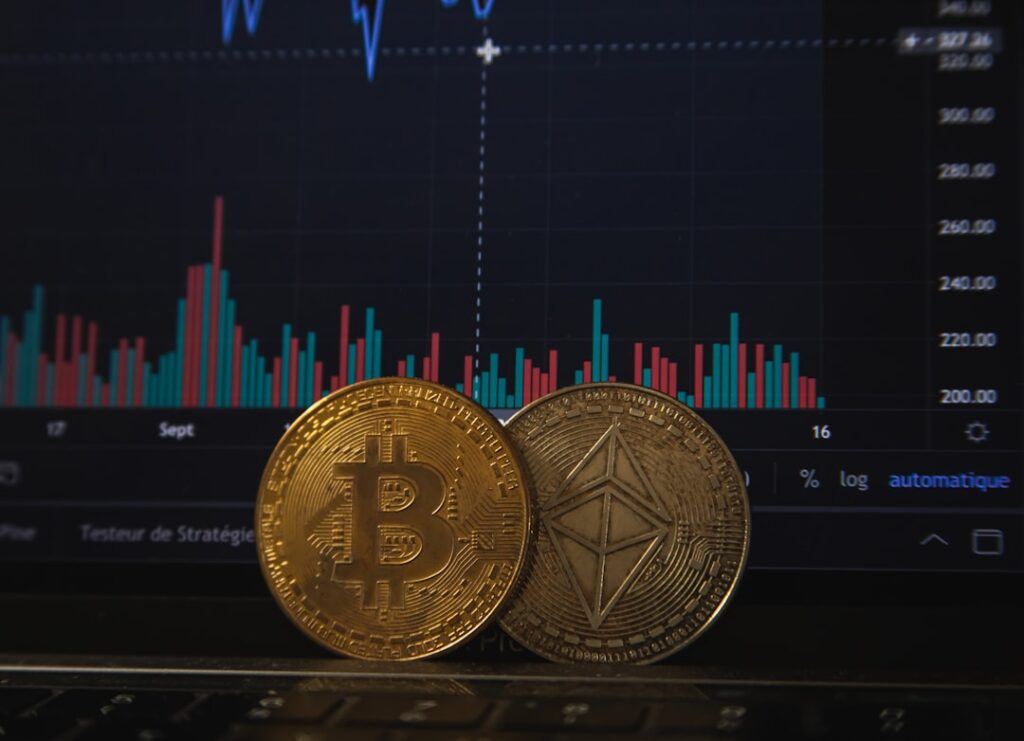
You’ve got screens full of charts, numbers jumping up and down, and no clear idea where to put your money. That’s a reality for many people starting out in trading forex, stocks, commodities, indices, or cryptocurrencies. Without solid training, it’s easy to freeze or make random bets. Trading isn’t guesswork; it depends on understanding price patterns and technical signals. Learning how to read candlestick charts, spot support and resistance levels, and interpret volume can turn confusion into actionable steps. Training programs that focus on these basics give you tools you can apply immediately, not just theory to memorize.
Trading education isn’t just about charts and formulas. It’s about applying those lessons in real time. For example, recognizing a hammer candle after a downtrend might suggest a reversal is near. Knowing where supply and demand zones lie helps you decide when to enter or exit trades. Many beginners skip risk management, yet it’s fundamental. Setting stop-loss orders and position sizing prevents one bad trade from wiping out your account. These practical skills build a foundation so you’re not trading on gut feeling but on data-backed decisions.
Consistency is the biggest hurdle for most traders. Markets shift unpredictably, and without discipline, it’s easy to chase losses or take impulsive trades. Working with a mentor who’s been through the ups and downs can change that. Experienced traders teach how to control emotions, stick to a plan, and handle drawdowns without panic. They also introduce routines like journaling every trade to spot patterns in your behaviour or market moves. This habit helps avoid repeating mistakes and keeps your strategy sharp.
Our training offers tailored courses for all levels, from complete beginners to those sharpening advanced strategies. Every program covers key technical tools such as Fibonacci retracements, moving averages, and RSI indicators, combined with real-world exercises. You’ll get lifetime access to materials plus ongoing community support. That means you can revisit lessons anytime and ask questions as new challenges arise. Many students mention how the mix of skill-building and mindset coaching transformed their approach.
It’s common for traders to underestimate the mental side of trading. You might know the setups but still fall prey to fear or greed. Our courses put equal weight on developing patience and discipline alongside technical skills. Techniques like setting daily loss limits or practicing meditation can improve focus during volatile sessions. These small but effective habits help you stay centered instead of reacting to every market twitch.
If you’re unsure where to begin, we offer a free trader success strategy session. This one-on-one call helps clarify your goals and maps out a practical path forward based on your strengths and areas for growth. It’s a chance to ask questions about prop trading requirements, capital allocation, or platform choices before committing time or money. Having a clear roadmap reduces overwhelm and lets you move confidently through the learning curve.
To explore our approach more deeply, you can learn trading online in an environment built around steady progress and practical skills. Our platform focuses on mastering essential strategies and tools so you’re prepared for real market conditions rather than just textbook examples.
Joining a prop trading firm brings benefits beyond education too. You’ll connect with others who share your drive, creating opportunities for collaboration and discussion that sharpen your thinking. Networking with peers often leads to shared insights on risk management techniques or spotting emerging trends early. Plus, being part of a community keeps motivation high during tough stretches when the market feels relentless.
For those interested in understanding the trading landscape in Australia better, visit trader support resources. This resource provides updates on regulation changes, tax considerations specific to traders, and links to helpful forums where members exchange tips on handling paperwork or broker selections.