
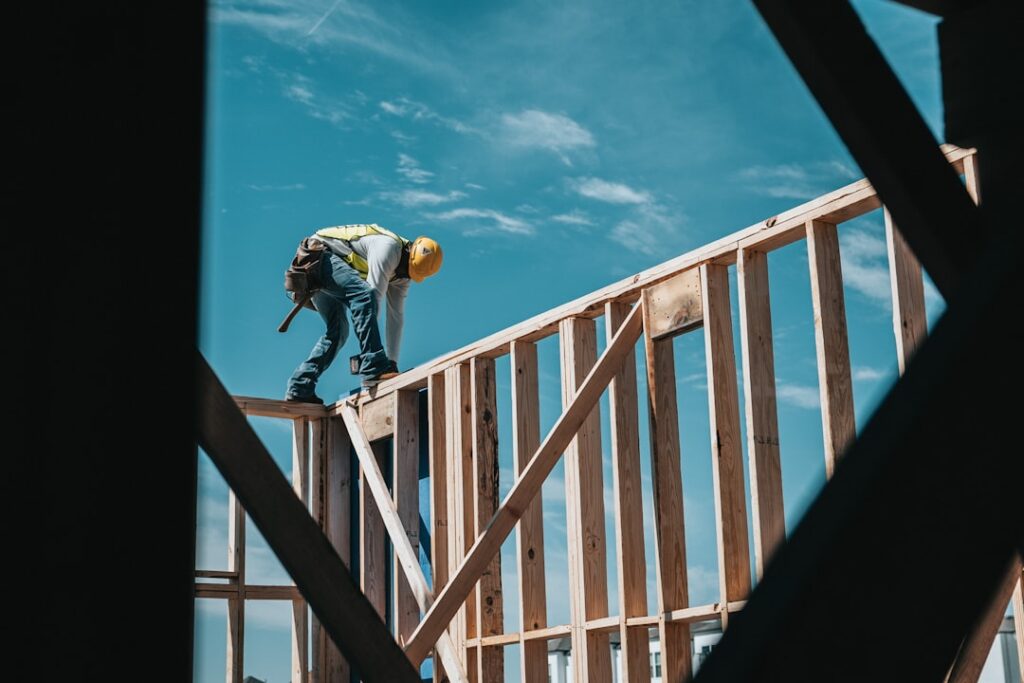
On a construction site, the integrity of the foundation often depends on the quality of the reinforcement cage embedded inside the concrete. These cages, made from steel bars or mesh, are critical because concrete alone handles compression well but is weak under tension. A poorly fabricated cage can lead to cracks or even structural failure once the concrete sets and the building begins to bear loads. For example, in multi-storey buildings, engineers specify these cages to prevent damage from shifting weight and environmental forces.
Fabricating a reinforcement cage requires precision. The steel framework must fit exactly within the formwork and be positioned correctly to distribute stresses evenly. Even small misalignments can create weak points that might go unnoticed until problems arise. For instance, a cage designed for a bridge’s support beam must adhere strictly to measurements; otherwise, it risks instability under heavy traffic. Checking cage dimensions against engineering drawings before installation is a routine step that helps avoid costly rework later.
Different projects demand different cage designs. In seismic zones, cages often include extra bracing or stirrups to handle lateral forces during earthquakes. Underwater constructions face corrosion risks, so cages might use coated steel or alternative materials to resist saltwater damage. Knowing the environment helps fabricators choose suitable materials and methods, which can extend the structure’s lifespan.
Customisation is standard practice in reinforcement cage fabrication. Structural engineers collaborate closely with fabricators to tweak cage dimensions or bar spacing to match specific load requirements or architectural features. Communication errors here can cause delays or force last-minute design changes. One common issue is unclear specifications on bending angles or bar overlaps, which experienced fabricators catch during initial reviews to prevent mistakes.
Emerging materials offer alternatives to traditional steel cages. Fibre-reinforced plastic cages provide lighter weight and better corrosion resistance but come with trade-offs like higher cost and different handling techniques. Deciding whether to use these depends on factors such as project budget, expected environmental conditions, and long-term maintenance plans. Contractors often weigh these pros and cons carefully before making a choice.
Understanding reinforcement cage fabrication helps construction teams make informed decisions about materials and workflows. Investing time in skilled fabrication reduces on-site adjustments and speeds up pouring schedules. On many sites, foremen rely on checklists that include cage inspection points like bar spacing, tie quality, and corrosion protection to keep quality consistent.
The process also involves some practical habits that improve outcomes. For example, fabricators often mark cages with tags corresponding to their exact location in the structure, avoiding mix-ups during installation. Regular training sessions for workers who tie bars ensure consistent tension in wire ties, preventing looseness that could shift bars out of place during concrete pouring.
When planning a build, factoring in reinforcement cage fabrication early avoids surprises during construction. From design coordination through fabrication to installation, every step needs attention to detail and effective teamwork. Partnering with fabricators familiar with local standards and typical site challenges makes it easier to meet both safety requirements and project timelines.steel reinforcement options guide