
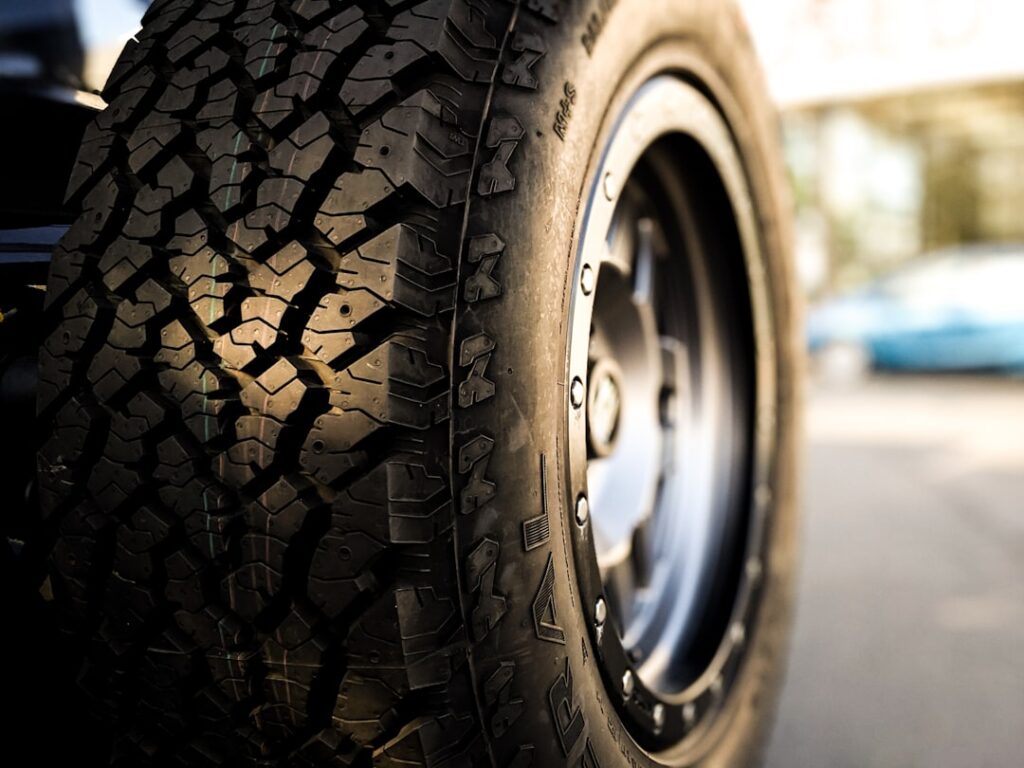

Keep in mind, all terrain tires come with trade-offs. The deeper, chunkier tread that improves off-road traction often increases road noise. Some drivers find this distracting on long highway drives. Plus, the stiffer sidewalls that protect against cuts and punctures can make the ride feel harsher on smooth pavement. It’s worth test-driving before you commit to see how these factors affect your comfort.
For those who own pickups or SUVs used both for work hauling and weekend adventures, all terrain tires offer practical benefits. They tend to have reinforced layers to resist damage from sharp rocks or debris, which means fewer flats when you’re off the beaten path. If you regularly carry heavy gear or tow trailers, these tires provide extra support and durability under load. Checking the tire’s load rating and construction details can help match it to your vehicle’s demands.
Classic car owners face a different challenge. Many vintage models weren’t designed with rugged terrain in mind. Fortunately, there are all terrain options that preserve the classic look while enhancing grip and safety. Choosing tires with sidewall patterns and tread blocks that complement older rims can keep your car’s style intact without compromising road handling.
Tread pattern is key to picking the right tire. Aggressive treads bite into mud and loose surfaces better but increase rolling resistance, which can reduce fuel efficiency on highways. Smoother patterns cut rolling resistance but offer less traction off-road. Knowing where you spend most of your driving time helps narrow down what tread design fits your needs best.
If mud or snow is part of your regular environment, look for tires with siping and special rubber compounds designed for slippery surfaces. Reading detailed product reviews and manufacturer specs can reveal if a tire performs well in wet or cold conditions. Also, ask about how tires wear over time; some all terrain models maintain tread depth longer, which saves money and effort in the long run.
Maintenance is often overlooked but critical. Regularly checking air pressure and tread depth extends tire life and maintains safety. Drivers sometimes forget to inspect their tires until handling issues or uneven wear appear. Using a tread gauge and keeping a log of pressure checks before long trips is a simple routine that prevents surprises on the road. Having a reliable service center nearby to rotate and balance your tires keeps things running smoothly.
Before making a purchase, weigh how you use your vehicle against the tire’s features. Whether it’s daily commuting or weekend camping, the right all terrain tires will improve your experience without adding unnecessary drawbacks. For detailed specifications and options tailored to various vehicles, visit all terrain tires.
Don’t overlook resources that offer guidance on matching tires to specific conditions and vehicles. For more information on suitable products and expert advice, check out tire options for suvs and trucks.