Exploring Namibia by car offers a unique opportunity to experience the country’s vast landscapes, diverse wildlife, and cultural richness at your own pace. From the hauntingly beautiful Skeleton Coast to the towering dunes of Sossusvlei, a self-guided road trip gives travelers the freedom to chart their own course through one of Africa’s most visually striking nations.
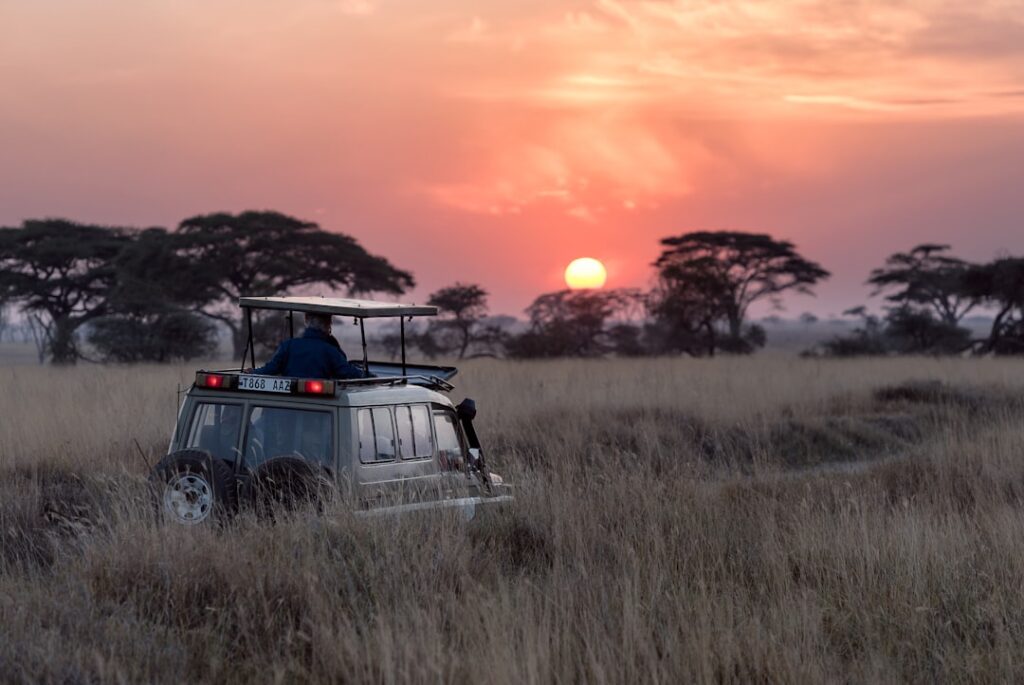
One of the greatest appeals of a self-drive journey through Namibia is the sense of solitude and connection with nature. With well-maintained gravel roads and a network of lodges and campsites, the country is surprisingly accessible for travelers willing to plan ahead. The wide-open roads often stretch for miles without another vehicle in sight, making the drive part of the adventure. However, the remoteness also means that preparation is key. Travelers should be comfortable with long distances between service stations and carry sufficient water, fuel, and supplies.
Undoubtedly, one of the highlights of traveling through Namibia on your own is the chance to visit iconic natural sites without the constraints of a group tour. Etosha National Park, with its vast salt pans and abundant wildlife, is a must-see. Arriving early in the morning or staying later in the day can greatly enhance wildlife viewing opportunities, something that is easier to manage when you’re driving yourself. The freedom to linger at a waterhole or detour to smaller, less-visited parks makes this form of travel especially rewarding.
For those considering a self-drive Namibia experience, timing is crucial. The dry season, from May to October, generally offers the best conditions for wildlife viewing and road travel. During this period, vegetation is sparse, and animals are more likely to gather near water sources. The cooler temperatures also make for more comfortable driving and camping conditions. However, it is wise to book accommodations well in advance, especially in popular areas like Swakopmund and the Namib Desert.
Navigation and communication are other important considerations. While GPS devices and mobile apps can be helpful, they may not always be reliable in remote regions. Carrying physical maps and letting someone know your itinerary in advance is highly recommended. Additionally, renting a 4×4 vehicle is often necessary, especially if you plan to explore off-the-beaten-path destinations such as the Kaokoland or the Caprivi Strip. These areas offer incredible rewards but demand a higher level of driving skill and preparedness.
Choosing the right route can make all the difference in your experience. Whether you’re interested in photographing desert landscapes, observing wildlife, or learning about indigenous cultures, Namibia offers routes tailored to various interests. The flexibility of a self-drive trip means you can blend popular destinations with lesser-known gems, creating a truly personalized journey. Helpful planning resources and suggested itineraries can be found on sites like Namibia travel insights.
Ultimately, a self-drive trip through Namibia is about more than getting from point A to point B. It’s about embracing the journey itself—watching the terrain shift from arid desert to lush wetlands, encountering antelope and elephants along the way, and discovering the quiet beauty of a country that invites exploration. With the right preparation, this form of travel offers an unmatched sense of freedom and discovery.