
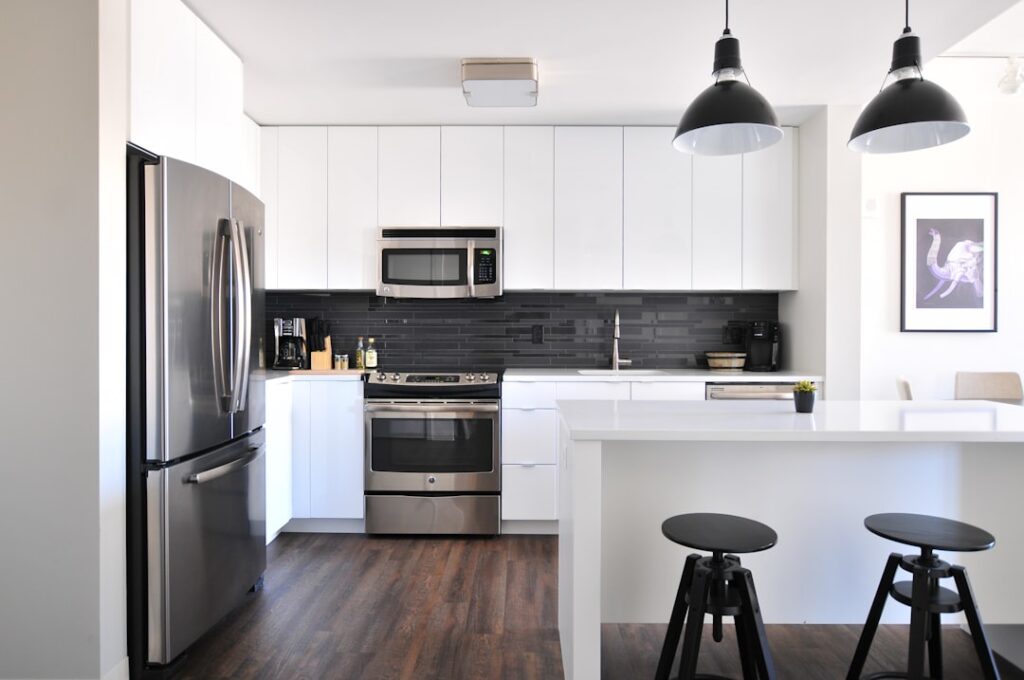

Refacing is often misunderstood as just swapping out doors. In reality, it includes resurfacing or replacing the visible parts of the cabinet boxes too. A well-done refacing project ensures all surfaces you see match perfectly in style and color. That means you’re not stuck with mismatched finishes or outdated frames that clash with your new doors. You can pick from a wide range of materials and colors to suit your taste and the kitchen’s character.
Material choice matters more than most homeowners realize. Laminate options are popular for their affordability and variety of finishes, but they may scratch or chip more easily than solid wood. On the other hand, wood veneers give a natural look with better durability but come at a higher price point. Some companies also offer thermofoil surfaces that resist moisture well but can peel if exposed to heat or rough use. Understanding these pros and cons helps set realistic expectations about longevity and upkeep.
In Hamilton, Ontario, a couple decided to reface after their kitchen felt visually outdated but was still functional. Their old cabinets worked fine but looked dull and weighed down the room’s brightness. They picked crisp white doors with subtle grain texture and modern brushed nickel handles. The new look opened up the space without replacing appliances or countertops. It was a straightforward update that improved the kitchen’s atmosphere and made daily cooking more pleasant.
Small details matter in refacing projects. Adding soft-close hinges can prevent cabinet doors from slamming shut, reducing noise and wear over time. Pull-out shelves make deep cabinets easier to access and organize, saving frustration when hunting for pots or pantry items. These practical upgrades don’t just look good, they improve how the kitchen functions day-to-day.
Before starting, it helps to check the condition of your cabinet boxes carefully. If they’re warped, water damaged, or structurally weak, refacing might not be the best option because it relies on those bases being sound. Also, measure door sizes yourself before ordering replacements to avoid common misfits. Many pros recommend removing one door first to ensure dimensions are spot on before proceeding with the rest.
If you’re considering this route, talking to specialists in kitchen refinishing can clarify what works for your space and budget. They can show samples and suggest styles that match current trends without locking you into something that won’t age well. A good installer will also prep surfaces properly, including cleaning and sanding, to make sure new veneers stick well and last.
Finally, for anyone ready to refresh their kitchen, it’s worth seeking advice on cabinet upgrade options. Getting input early can save headaches later and guide your choices toward a design that fits your lifestyle. Whether you want sleek minimalism or a warm traditional feel, refacing offers a way to update your kitchen thoughtfully and efficiently.