
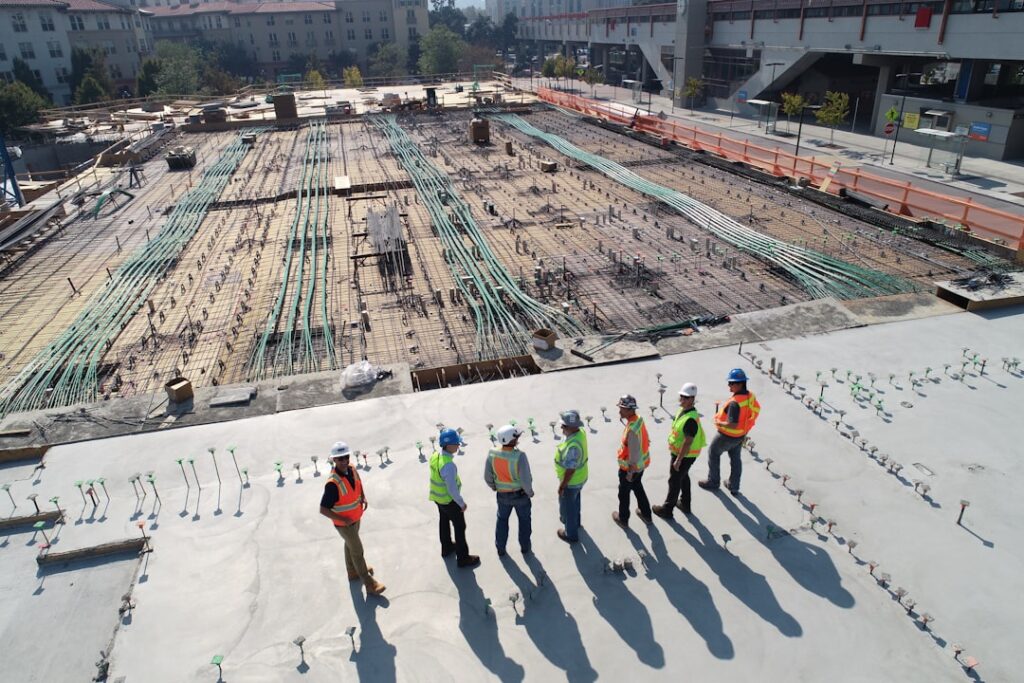
Transportable buildings have become an increasingly popular solution for a range of residential, commercial and industrial needs. Whether for temporary accommodation, site offices or remote infrastructure projects, these modular structures offer flexibility, cost-efficiency and speed of deployment. A skilled transportable building installer plays a key role in ensuring that these structures are delivered and assembled accurately and safely.
The process begins well before installation. Site preparation, permits and logistics must be carefully managed to ensure a smooth operation. Installers work closely with architects, engineers and project managers to confirm that all components of the building, from foundations to final fit-outs, meet required building standards and client expectations. Their work ensures that the structure is not only functional but also safe and compliant.
One of the main advantages of using transportable buildings is their modular nature. These structures are manufactured off-site under controlled conditions and then transported to their final location. This approach reduces construction time, limits weather-related delays and minimises disruption to surrounding environments. A qualified transportable building installer has the expertise to oversee the delivery and efficient assembly of these modules, often within just a few days depending on the complexity of the project.
Transportable buildings are also highly versatile. They can be customised to suit a wide variety of uses, from classrooms and healthcare facilities to mining camps and remote offices. This adaptability has made them a preferred choice in regions where access to traditional construction services is limited. Installers must adapt to various site conditions and requirements, often working in remote or challenging environments. Their ability to manage logistics, equipment and safety protocols is critical to the success of these projects.
Sustainability is another factor driving the popularity of transportable buildings. Many of these structures are built using environmentally friendly materials and can be repurposed or relocated when no longer needed at one site. This reduces waste and supports long-term cost savings. Installers contribute to sustainability by ensuring minimal impact during installation and enabling future reuse through careful assembly techniques.
For those considering modular construction, it is important to work with professionals who understand the intricacies of this building method. From initial consultation through to on-site installation, experienced installers bring valuable insight and efficiency to the process. For more details on how these services can be tailored to specific needs, you can learn more about modular building solutions available locally.
As demand for flexible and efficient building options continues to grow, the role of the transportable building installer remains vital. Their skills ensure that modular projects are delivered on time, within budget and to the highest standards of safety and quality. With their help, clients can benefit from a streamlined construction process that meets both immediate and long-term requirements.