
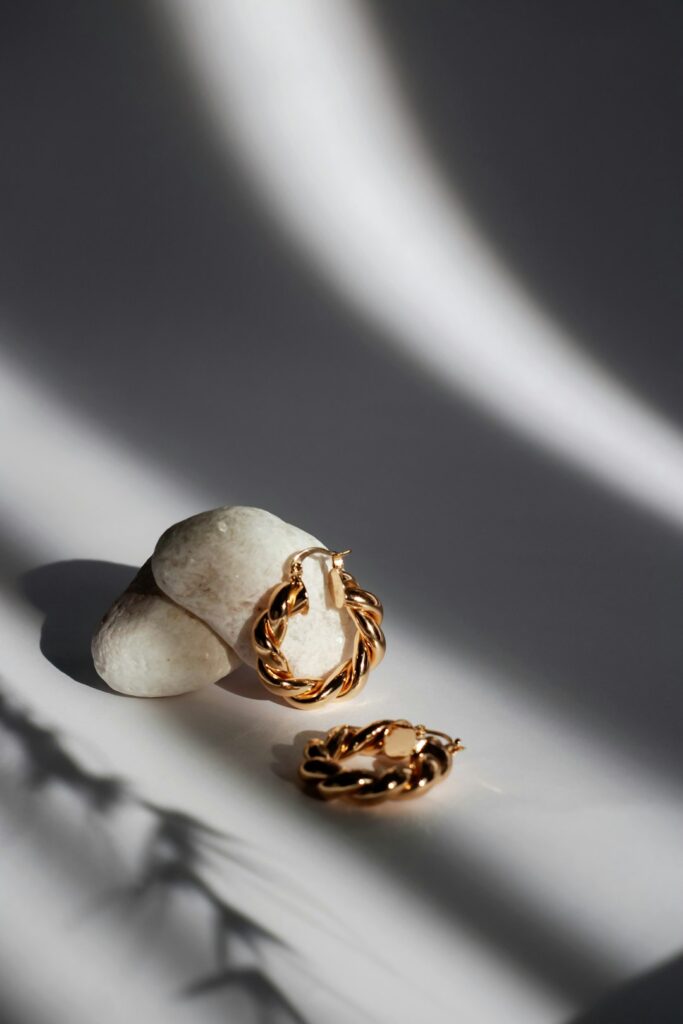
Receiving a piece of jewelry that carries history can be powerful. Repurposed designer jewelry takes old pieces and transforms them into something fresh and personal. For example, a vintage bracelet passed down from a grandmother might be redesigned by adding contemporary touches. This creates a piece that respects family heritage while appealing to modern style. The emotional bond with such jewelry often runs deeper than its look alone.
Sustainability is a key consideration for many who choose repurposed jewelry. Fast fashion’s environmental toll has made consumers rethink how they shop. Opting for repurposed items reduces demand for newly mined materials and cuts waste. Turning a forgotten brooch into a pendant, for instance, not only refreshes its appearance but also supports eco-friendly practices in jewelry making. Buyers get unique pieces while lessening their impact on the planet.
The techniques used to revive these items are varied. Upcycling involves creatively reusing unwanted components to give them new purpose. Remounting moves gemstones from outdated settings into designs that fit current trends. These approaches preserve the value locked in original materials but present them in ways that feel relevant now. Craftspeople often employ soldering and engraving to fine-tune the finished product, enhancing both durability and detail.
Repurposing jewelry demands skill beyond artistry. Sourcing suitable materials that retain quality is a constant challenge. Jewelers must work carefully to avoid damaging metals or stones during transformation. For example, melting down gold requires precise temperature control to maintain purity. Cleaning and resetting gemstones calls for delicate handling to prevent chips or loosening. These practical aspects shape the final piece’s look and longevity.
Clients interested in custom work usually begin with a consultation. This conversation helps clarify style preferences and the story behind the original item. Artisans rely on this exchange to tailor designs that meet both aesthetic goals and emotional significance. Open dialogue can spark ideas that combine personal history with skilled craftsmanship, resulting in truly one-of-a-kind jewelry.
Demand for repurposed designer jewelry is increasing, prompting retailers to expand their collections. This trend reflects a growing appreciation for pieces that carry meaning beyond decoration. People want jewelry that tells stories and sparks conversation. The combination of vintage elements with new design invites questions about origin and transformation, making each piece a conversation starter.
Businesses are catching on to this niche’s potential as well. Jewelers who include repurposed items differentiate themselves from competitors focused only on new creations. Highlighting sustainable methods alongside artistry attracts customers who value ethical shopping without sacrificing style. Such retailers often find loyal followings among buyers who prioritize substance as much as appearance.
Anyone curious about repurposed jewelry can find useful resources online detailing current trends and methods. Whether starting a personal collection or simply exploring the craft, there are plenty of guides and forums to consult. For more information, visit repurposed designer jewelry.
Understanding the techniques behind repurposing helps appreciate the skill involved. For those wanting deeper insight into craftsmanship and styles, check out custom jewelry design ideas. Both links provide practical information and examples worth exploring.