
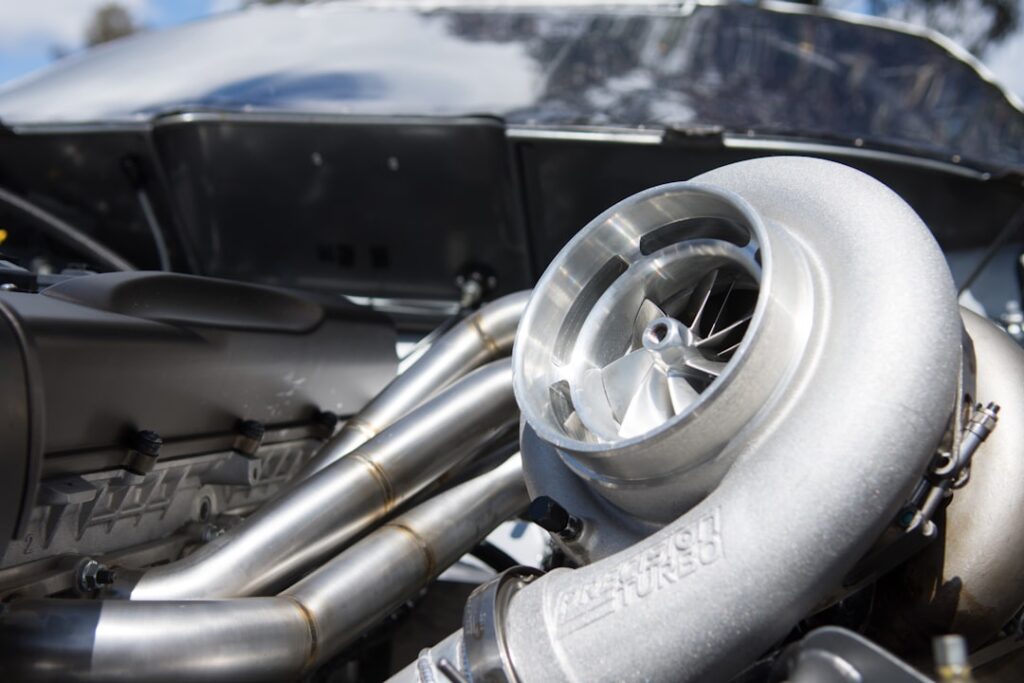
At car meets and tuning shops, the next gen 6266 turbo often comes up in conversations about performance upgrades. It’s popular because it strikes a good balance between size and responsiveness. Larger turbos can deliver massive power but often cause lag, making them less practical for daily driving. The 6266, however, spools quickly and offers a boost that feels immediate. This makes it a solid option for enthusiasts who want to improve their vehicle’s power without sacrificing street manners.
The design improvements in this turbo focus heavily on airflow efficiency. It sports a bigger compressor wheel compared to older versions, which means it can push more air into the engine at lower RPMs. That translates to stronger torque and faster throttle response during normal driving conditions. Anyone running an automotive shop or advising customers should understand how this can make everyday driving feel noticeably sharper, not just in outright horsepower numbers.
Matching the turbo to the engine is critical. For example, on a four-cylinder with moderate modifications, the next gen 6266 fits well. It provides enough boost to significantly enhance output but doesn’t overwhelm smaller engines that struggle with heat and stress from too much boost. This balance helps keep reliability intact while unlocking performance gains. Ignoring engine compatibility can lead to wasted money or even mechanical issues down the line.
There are trade-offs to consider. The 6266 excels at quick spool but isn’t designed for extreme horsepower builds. If you’re chasing very high power figures, this turbo might not be the best fit without additional upgrades or a different model altogether. For instance, pushing beyond its efficient range can lead to heat soak or reduced component life. It’s common for tuners to upgrade supporting parts like intercoolers and exhaust systems to get the most out of this turbo.
Installation isn’t always straightforward. Depending on the vehicle and existing mods, you might need custom piping, stronger fuel systems, or upgraded engine management to fully utilize the next gen 6266. A frequent misstep is underestimating these needs, which leads to tuning headaches or performance bottlenecks. Taking the time to plan the entire setup usually saves hours of troubleshooting later.
For detailed specs and model options, checking reliable sources is invaluable. The next gen 6266 turbo comes in several variants tailored for different applications, so reviewing exact compressor maps and housing sizes helps avoid guesswork during selection. Resources like next gen 6266 listings provide essential technical data that pros and enthusiasts rely on before making a purchase.
Tuning completes the process. Without adjusting fuel delivery and ignition timing to match the increased airflow, you risk running lean or rich, which can cause engine damage over time. A proper tune also ensures smooth power delivery and avoids hesitation or surging under load. Experienced tuners often spend extra time logging and refining maps after installing a new turbo to prevent costly mistakes.
Sharing these details with customers or fellow gearheads helps set realistic expectations about what the next gen 6266 offers. No turbo is perfect for every build, but knowing where this one fits in the spectrum makes it easier to recommend wisely. For more technical advice and product options, check out performance turbocharger parts that cater to various setups and goals.