
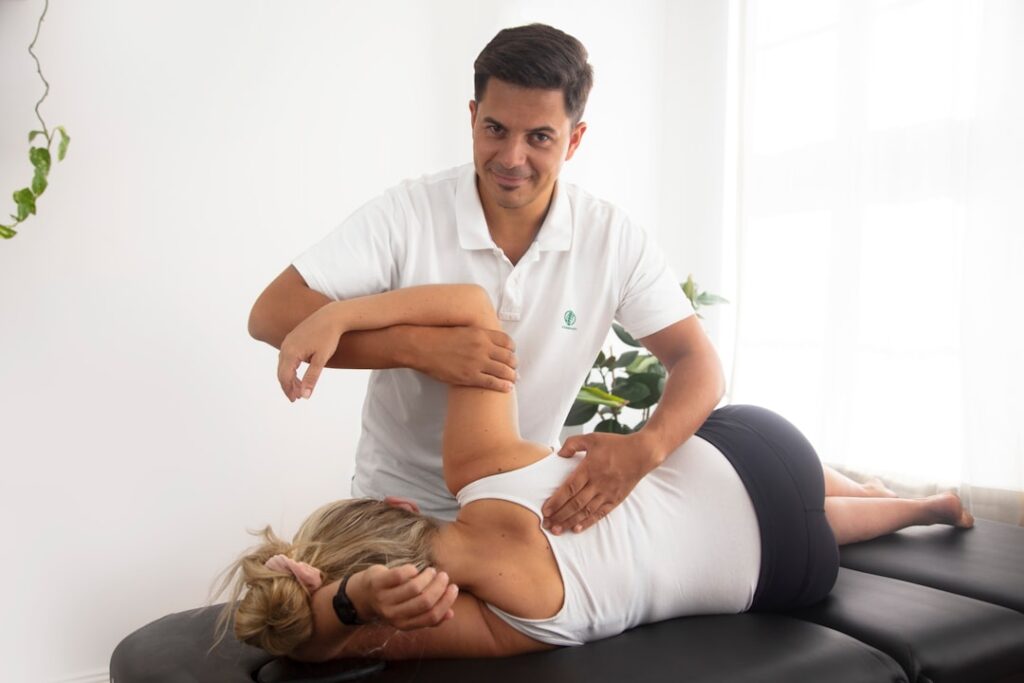
Waking up with a stiff back after a long week is frustrating. Simple tasks like tying your shoes or lifting your child become difficult. This kind of back pain is common, especially for people with physically hard jobs or those sitting for hours at a desk. It can seriously disrupt daily routines and wear down your quality of life. That’s why seeking professional help early is important. Liverpool offers specialized physiotherapy and exercise physiology services designed to support recovery and rebuild strength.
Physiotherapy in this area isn’t one-size-fits-all. Treatments are customized based on individual assessments. A physio will often combine manual therapy, like joint mobilization and soft tissue massage, with exercises aimed at improving flexibility and strength. For example, they might guide you through specific stretches to ease muscle tightness or prescribe strengthening routines to support injured areas after surgery. Therapists usually monitor progress closely, adjusting the plan as needed to avoid setbacks or overexertion.
Exercise physiology complements physiotherapy by focusing on exercise as medicine. Exercise physiologists create tailored programs that consider your current fitness, injury history, and goals. Someone dealing with lower back pain might follow a regimen emphasizing core stability and posture correction. These exercises aren’t just about recovery, they help build resilience to prevent the same issues from returning. Many patients find that understanding how their body responds to movement helps them take control of their rehabilitation.
Some techniques go beyond traditional therapy. Dry needling targets trigger points, knots in muscles that cause pain and restrict movement. By inserting thin needles into these spots, tension can release, speeding up healing. Taping methods also provide support without restricting motion, which is useful during early stages of recovery or when returning to activity. In practice, therapists blend these options into broader treatment plans, tailoring combinations to what works best for the individual.
The GLA:D Program is a specialized offering for people with hip or knee osteoarthritis. It mixes education with guided exercise to enhance joint function and reduce discomfort. Participants learn practical ways to manage symptoms day-to-day while following an exercise routine designed to build strength around affected joints. This program has been shown to help many maintain independence and stay active longer, which is often a top priority for those dealing with arthritis.
Hydrotherapy offers a gentle alternative for those who struggle with land-based workouts because of pain or limited mobility. Exercising in water supports body weight, reducing stress on joints while still providing resistance that strengthens muscles. Patients often report feeling less pain during these sessions, allowing them to work through ranges of motion they couldn’t tolerate on dry land. Pools used for hydrotherapy are typically kept at therapeutic temperatures and staffed by professionals who ensure exercises are done safely.
If you want to explore these treatment options further, there are resources online that explain the approaches clearly. You can find detailed information about the services offered at back physio liverpool. Understanding the different methods can help you ask the right questions and choose what fits your needs.
Back pain doesn’t have to hold you back indefinitely. With focused care from experienced practitioners in Liverpool, you can recover functionality and reduce discomfort effectively. Whether it’s physiotherapy, targeted exercise programs, dry needling, or hydrotherapy, there are multiple paths available. For more details on treatments and support options, visit managing chronic back discomfort. Taking that first step often makes all the difference.