
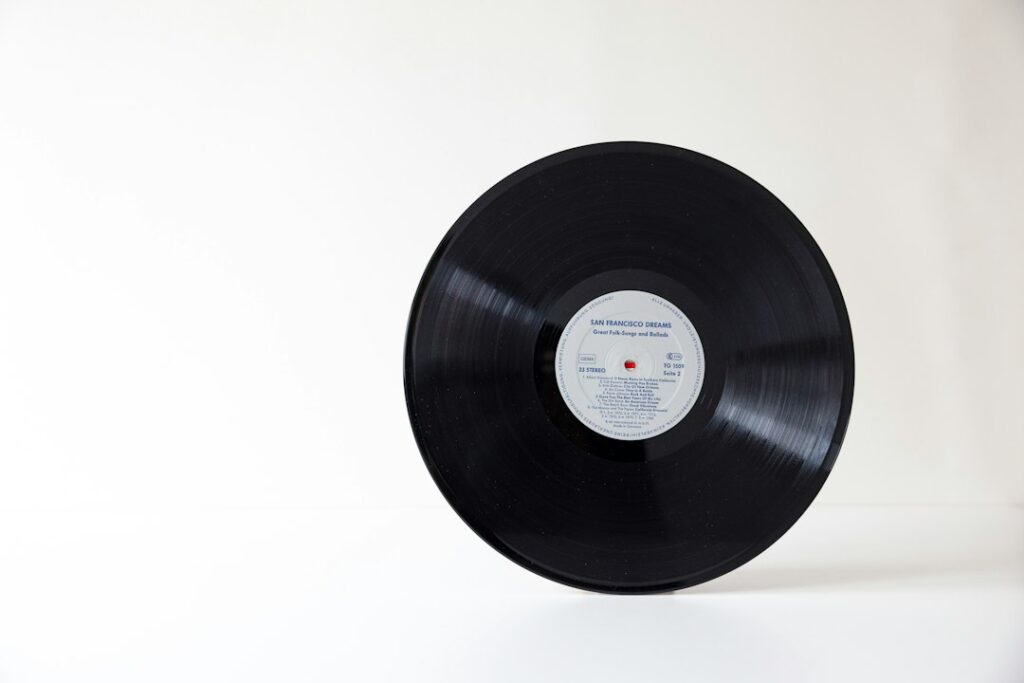

Compare shops by the way their classical stock is organized, not only by the size of the bins. Records may be filed under composer, performer, label, or a mixture, which can make unfamiliar names difficult to locate. Ask whether chamber music, opera, vocal recordings, and early stereo titles have dedicated sections. A general used-record store may suit someone building a varied collection, while a specialist-oriented seller may save time for a buyer seeking one work or interpretation. Before visiting, keep a note on your phone with composers, catalog numbers, and preferred performers. Browsing classical vinyl records toronto can give you a starting point for comparing titles and prices.
Condition reports separate the record from its sleeve. A clean jacket does not prove that the grooves will play quietly, and a scuffed cover can protect a very good disc. Surface noise includes clicks, crackle, and hiss associated with dust, wear, or groove damage. Fine hairlines may be harmless, but a deep scratch can produce repeated pops or a skip. Ask whether the record received a visual inspection or a play test. Under strong light, tilt the LP to look for scratches, cloudy patches, and warping. If you cannot listen before paying, confirm the store’s return policy and keep the receipt with the record.
The edition can matter as much as condition. A pressing is a particular manufactured version, sometimes issued in another country or year, while mastering describes how the recording was prepared for the record’s grooves. Two copies of the same concerto may therefore sound different without one being fake or defective. Read the label and runout information when a particular release matters, and compare the catalog number with the jacket rather than trusting a handwritten price tag. Stereo records separate the signal between channels to create spatial placement; mono records combine it into one channel. A stereo claim on a listing should match the label and release details.
Your playback setup should influence what you buy. The cartridge converts groove movement into an electrical signal, and the stylus is the small tip that tracks the groove. Incorrect tracking force or a worn stylus can make even a clean pressing sound distorted and may damage it over repeated plays. A carbon-fiber or similar brush can remove loose dust, but visible grime alone does not prove that a disc is beyond saving. For a modest system, a flat, quiet copy of a common performance may provide more listening value than a rare pressing whose surface noise and mastering differences your equipment will reveal immediately.
Picture a student building a first collection. An inexpensive, clean recording of a familiar symphony may be the sensible choice, leaving money for inner sleeves and basic cleaning supplies. A longtime listener chasing one conductor’s interpretation may accept a higher price, but should expect clear edition details and an honest condition description. In either case, check that the record sits flat, that the correct inner sleeve is present, and that the disc matches the jacket. For opera and large orchestral works, count every disc before leaving. Multi-record sets are often separated over the years, and a missing side can turn a promising purchase into an incomplete one.
A short inspection routine prevents rework later. Ask whether the seller play-tested the record, whether the pictured sleeve belongs to that disc, and whether the copy is mono or stereo. Write down the catalog number and price before moving to another shop so you can spot a duplicate or a better-graded copy. If a record skips at home, contact the seller promptly and describe the exact passage rather than simply reporting that it sounds bad. Clarify return terms before payment, especially for sealed or untested copies. For a wider search, browsing vinyl records in toronto can complement visits to local bins without replacing careful inspection.