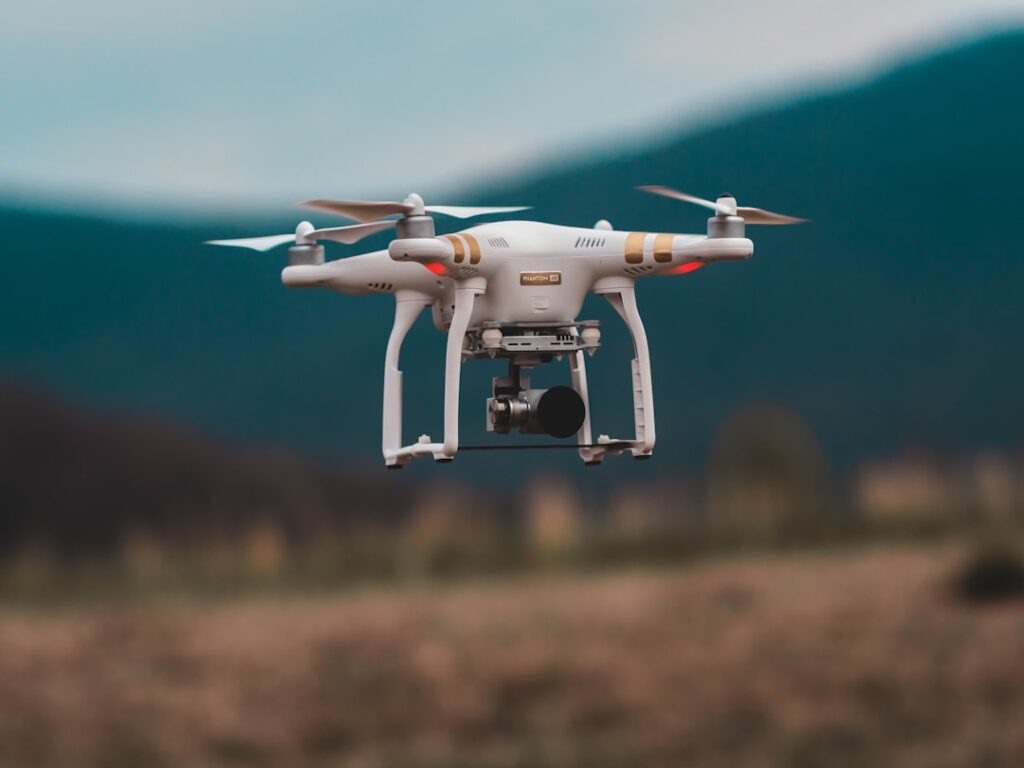

Industrial inspections become safer and faster with drones. Checking a bridge’s structural condition used to mean setting up expensive scaffolding or cranes, which could take days and put workers at risk. Now, drones equipped with high-definition cameras and thermal sensors spot cracks, corrosion, or heat loss from the air. This approach minimizes downtime by finding issues early and avoids the need for workers to perform dangerous climbs. Operators often run pre-flight checklists to ensure camera calibration and battery life are optimal before heading out, preventing delays on site.
Filmmakers benefit greatly from drone technology as well. Capturing wide landscapes or tight action scenes used to involve bulky rigs and complex setups. Drones can weave through narrow spaces and hover steadily at low altitudes, delivering cinematic views that were previously impractical. Directors appreciate how this flexibility opens up new storytelling angles without the usual logistical headaches. Many crews develop detailed flight plans and communicate closely with local authorities to secure permissions, avoiding last-minute interruptions.
Survey mapping is another domain where drones excel. Using photogrammetry software, drones take overlapping photos from multiple angles to build precise 3D terrain models. These models help urban planners and environmental analysts visualize land contours and existing structures accurately. A common mistake is underestimating lighting conditions, so experienced pilots schedule flights during consistent daylight to reduce shadows and improve image stitching quality.
Beyond safety improvements, drone inspections cut operational expenses significantly. Deploying a drone rather than a full human crew reduces compliance paperwork and site safety requirements. This streamlines fieldwork and accelerates project timelines. On bigger jobs, operators keep detailed logs of flight hours and maintenance to prevent unexpected breakdowns that could stall progress. Such habits save time and money in the long run.
Artrabia offers customized drone services tailored to your project’s demands. Since no two assignments are identical, their team works directly with clients to design solutions that fit specific objectives and site conditions. From initial consultation through final delivery, they ensure clear communication to avoid misaligned expectations, a common pitfall in technical services. Their approach includes on-site demonstrations so clients understand exactly how data is collected and processed.
Keeping up with drone technology advancements allows businesses to stay competitive. Artrabia shares regular updates about new UAV capabilities and regulatory changes affecting different sectors. Staying informed helps companies adopt practical innovations that improve efficiency without trial-and-error setbacks. Visit drone videography services to see how these tools can enhance your operations.
Reliable information is key when integrating drones into workflows. Artrabia also provides insights on industry trends and practical tips for maximizing UAV use in various applications. Their website hosts articles addressing common challenges like battery management and data security protocols, helping users avoid costly mistakes. Check aerial data management techniques for the latest resources on optimizing drone deployments.