
Start by reading the editorial brief as working information. It may describe the mood, styling, location, lighting and intended audience, with each detail affecting your physical choices. Words such as restrained or architectural suggest that broad gestures and an easy smile may work against the concept. A movement-based brief calls for transitions rather than a series of rigid stops. Before the shoot, check practical points: can you lift your arms in the jacket, should you look towards the lens, and will the photographer direct each change? Writing those answers in your phone notes can prevent avoidable rework on set.
Posing and movement are related, but they are not identical. A pose is a temporary arrangement; movement is the controlled route into and out of it. A photographer may want frames while your shoulder turns, your hand settles or a coat swings into place. Practise changing shape slowly, keeping your breathing even and noticing where your weight lands. Avoid locked knees and a collapsed hip, which can make a stance appear accidental. Small adjustments often alter the whole line: lengthen the back of the neck, release the shoulder, or transfer weight to the rear foot without losing balance.
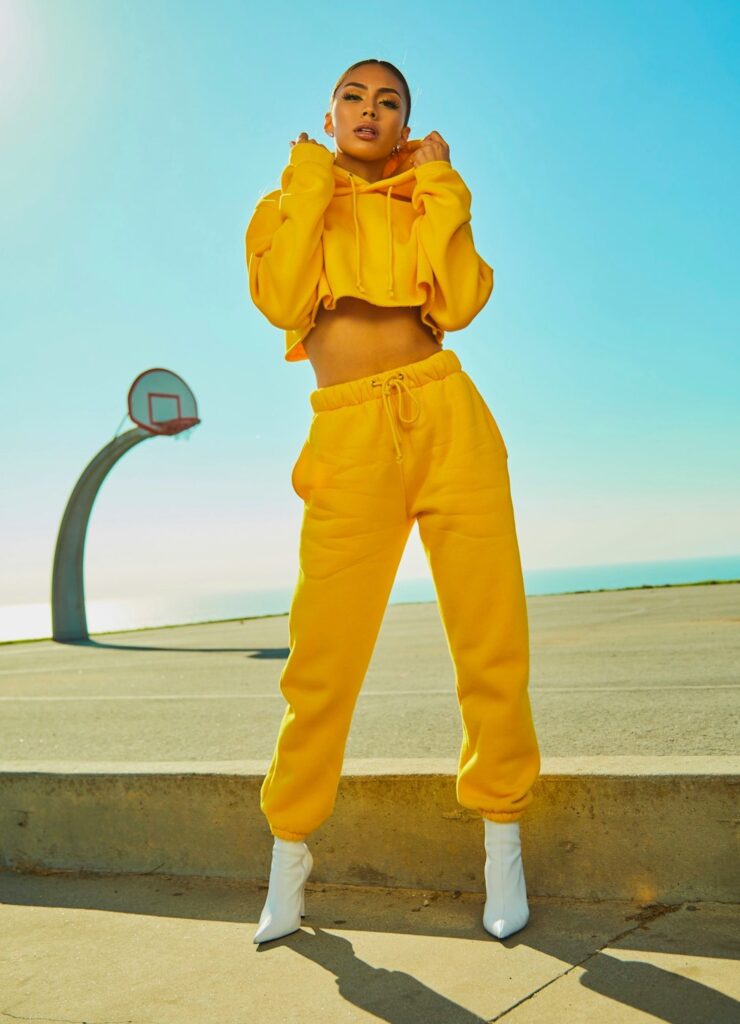
Body language communicates an attitude before the viewer has examined the garment. A lowered chin can imply reserve, while an open chest and longer stride may suggest confidence, though neither choice suits every frame. Clothing should guide the decision. A sharply tailored jacket might benefit from a still stance, contained hands and exact angles. Soft knitwear may allow folded limbs, a slower rhythm and less formal weight. Keep checking that the expression, posture and styling agree. If the garment is meant to look effortless but your hands are clenched, the tension becomes part of the image for the wrong reason.
Casting tests more than appearance. It is a short opportunity for a client or creative team to see how you present, walk and respond to instruction. Bring a current comp card, meaning a simple information sheet with photographs and basic details, and check that it is clean and easy to read before leaving home. Introduce yourself clearly rather than filling the moment with nervous explanation. If asked to walk, use a controlled pace and a straightforward route. If the direction changes from neutral to sharper, make the difference visible without turning it into an exaggerated performance.
Confidence on set is practical behaviour, not a permanent mood. Listen to the full instruction, breathe steadily and recover quickly from an awkward frame. Suppose you have been laughing and the photographer asks for something harder. Reset your jaw, soften or narrow your eyes as directed, and hold the new choice for several seconds instead of apologising. Rehearsing these responses can make them more available under pressure. Structured training that combines personal development with physical and mental tools, such as an 11-week comprehensive model course, can provide regular practice with direction, presentation and controlled movement. The model preparation guidance should support that same practical focus.
Reviewing each session gives your practice a clear purpose. Look through the images and note whether your fingers tighten, your energy drops when the camera moves closer, or you return to the same three angles. Record the directions that produced useful results, then test them on video without copying a particular model. You might mark the frame where your weight shifted cleanly or the point at which your expression became too forced. Range grows through observation, adjustment and repetition. You do not need a new identity for every story. You need enough control to understand the brief, choose a response and stay available when the direction changes.