

I commonly see people reduce their activity because ordinary movement feels uncertain. Imagine a recreational runner who keeps testing the same painful stride, rests for several days, then repeats the cycle. A desk worker might notice neck tightness building by late afternoon but easing at weekends. These patterns matter because symptoms are shaped by load, recovery, sleep and habits, not only by one awkward movement. Physiotherapy considers that wider pattern rather than treating the sore spot in isolation. The aim is to understand what the person is doing, avoiding and hoping to resume.
An assessment may include joint range, muscle strength, coordination and a relevant task such as walking, reaching or lifting. Range of motion means how far a joint can move comfortably. Strength testing considers how well a muscle produces force, while coordination describes how smoothly several body parts work together. A physiotherapist may also assess nerve sensitivity, which can contribute to tingling, altered feeling or weakness when a nerve is irritated. These terms can sound technical, but they are practical ways to identify what changes symptoms and what remains reliable.
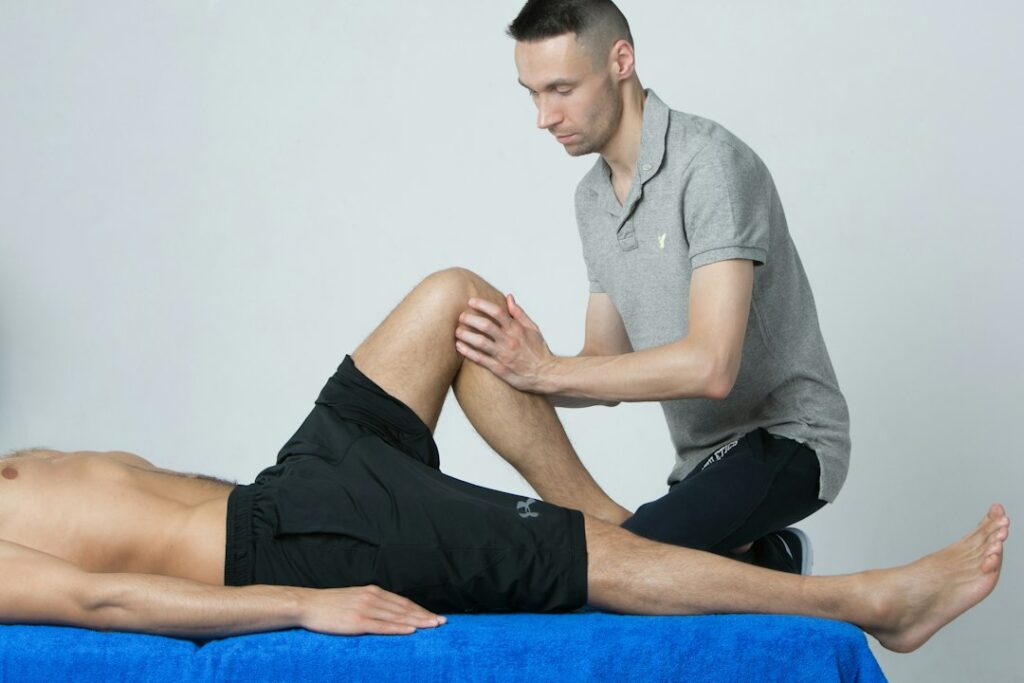
Treatment should make sense to you, and there is often a trade-off between short-term comfort and longer-term capacity. Manual therapy, including hands-on joint or soft tissue techniques, may make movement easier, but it is usually only one part of the plan. Exercise can build strength, improve control or restore confidence gradually. Someone with an irritated shoulder might begin with comfortable reaching before progressing to lifting. Someone with knee pain may practise controlled sit-to-stands before returning to stairs, squats or sport. The exercise should suit the person, not just a diagnosis.
Load management is another idea I explain often. Load means the work placed on an area through walking, lifting, training and repeated household tasks. Too much too soon can flare symptoms, while doing almost nothing can leave the area less prepared for normal demands. A plan may adjust distance, frequency, lifting technique or rest periods instead of banning an activity altogether. A gardener with back pain might divide a long session into shorter blocks, change positions regularly and build tolerance over time. That approach keeps the plan connected to real life and personal goals.
A common misconception is that pain must disappear before useful movement can begin. In some plans, mild and short-lived discomfort during an exercise may be acceptable, but the response still needs monitoring. Worsening pain, new weakness, spreading numbness or loss of normal function deserves prompt discussion. Severe or rapidly changing symptoms may need medical assessment rather than routine exercise advice. Appointments should review what happened afterwards. If a home exercise was too difficult, unclear or impractical alongside work and family duties, it needs adjusting rather than quietly abandoning.
Choosing newport physiotherapy care may be useful when regular reviews and an achievable home plan are needed. Before booking, note when the problem started, what you have stopped doing and what you want to regain. Bring details of previous injuries, relevant medical conditions and medication changes. It can also help to mention what eases or aggravates the symptoms. The most useful appointment is not necessarily the one with the most techniques. It is the one that leaves you with a sensible explanation, a manageable next step and clear advice about when to seek further help.