
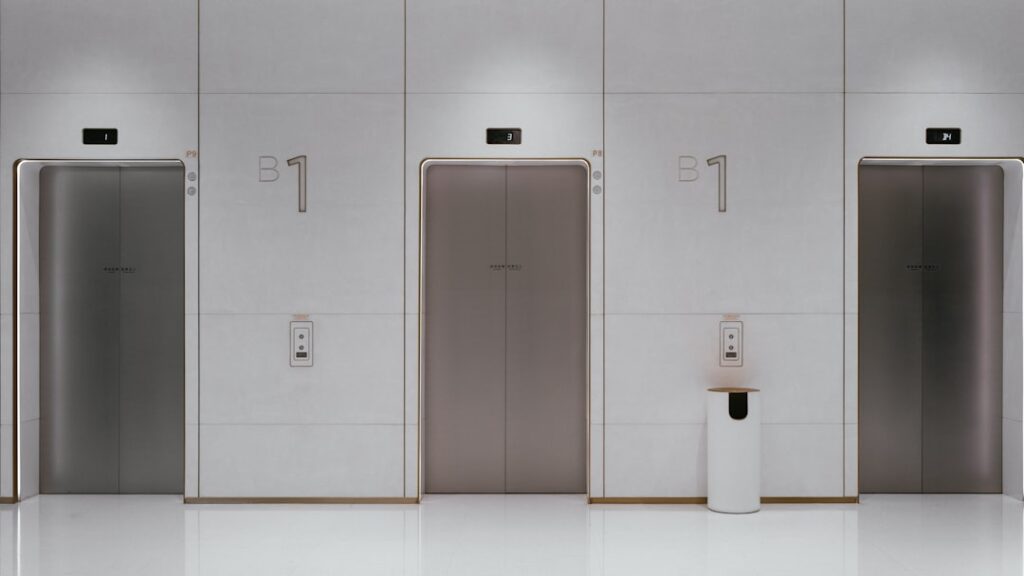

Car elevators must handle a variety of vehicles safely. Their load capacities differ by model but generally support anything from small sedans to large SUVs and pickup trucks. Overloading is a frequent mistake, often due to unclear communication about weight limits or vehicle size, which can lead to breakdowns or safety risks. Facility managers usually keep weight charts near the elevator controls and train staff to verify vehicle dimensions before use.
The lifting mechanism is a key factor in performance. Hydraulic systems are common for buildings with fewer floors; they use pressurized fluid to raise the platform smoothly and quietly. For taller buildings, traction systems with cables and pulleys offer faster travel and can cover greater distances. The choice depends on the building’s height and how quickly vehicles need to move. Some operators find hydraulic units easier to maintain but require more space for the machinery.
Safety is built into every stage of operation. Emergency stop buttons are standard, allowing users to halt movement instantly if something goes wrong. Automatic brakes engage if the elevator detects a fault or power loss. Interlocks prevent doors from opening unless the platform is correctly aligned with the floor. Backup power systems also help bring the elevator down safely during outages. Operators conduct regular drills and inspections to make sure these features work reliably.
Consider a luxury hotel in Chicago’s Loop that uses a car elevator chicago installation for its valet service. This system lets attendants retrieve cars quickly without causing bottlenecks in the lobby’s limited space. Guests appreciate the discreet, fast service, which fits the hotel’s upscale image. Staff often perform pre-shift checks on elevator controls and cleanliness to avoid delays during peak hours.
Retail businesses also find car elevators useful, especially multi-level dealerships displaying premium vehicles. Shoppers can see models on different floors without climbing ramps or stairs, making browsing easier and more inviting. Dealers usually integrate these elevators with showroom lighting and signage to highlight featured cars. Regular maintenance includes checking cable tension and hydraulic fluid levels, tasks often logged in detailed service reports.
Before installing a car elevator, consulting local building codes and zoning rules is necessary. Chicago has specific regulations about elevator dimensions, fire safety access, and electrical standards. Working with experienced engineers helps avoid costly redesigns or permit issues. Maintenance contracts typically cover inspections every few months to catch wear and tear early, preventing unexpected shutdowns.
Finding the right provider means looking beyond price. Reliable companies build elevators with quality materials and offer warranties that cover parts and labor for years. Responsive service teams that can dispatch technicians quickly make a big difference in minimizing downtime. Visit car elevator installation services for tailored advice suited to your building’s layout and traffic demands.