
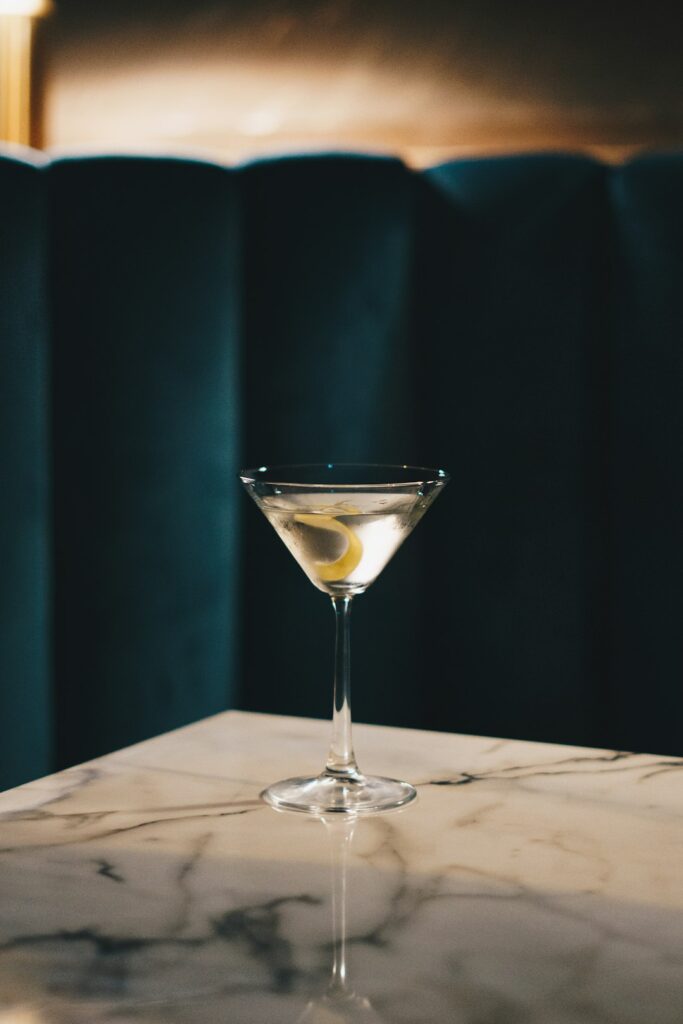

An espresso martini has a short ingredient list, but each component affects the final balance. Espresso contributes roast, bitterness, acidity, and aroma. Vodka provides a relatively neutral alcoholic base, while coffee liqueur adds sweetness and more coffee flavor. If the espresso is especially bitter, the existing sweetness may soften it without making the drink heavy. If the liqueur dominates, the result can resemble a dessert rather than a cocktail. A useful personal preference is to request less sweetness or a stronger coffee profile, but it helps to understand that a bar may have a fixed house recipe.
Cold temperature and dilution are part of the recipe, not afterthoughts. Shaking the ingredients with ice chills the liquid while allowing a controlled amount of water to melt into it. That dilution lowers the sense of alcoholic heat and helps the coffee, sugar, and spirit taste integrated. A drink that has not been chilled enough can seem sharp even if the proportions are sound. Too much melted ice can make the flavor seem weak. The bartender’s ice, shake duration, and service timing all affect the result, so a fast order still benefits from a properly prepared shake.
The pale cap of foam comes from vigorous agitation. Shaking traps tiny air bubbles in the liquid, and espresso can contribute oils and fine coffee particles that help the layer persist for a while. Fresh espresso often gives a more pronounced coffee aroma, although the texture can vary with the beans, brewing method, ice, and time between shaking and serving. Foam is not proof that every other part of the drink is correct. A cocktail may look polished yet taste overly sweet or thin, while a less dramatic surface can accompany a well-balanced pour.
Coffee extraction sits underneath those sensory details. It describes how brewing water draws soluble compounds from ground coffee. Under-extracted coffee may taste sour or pointed, while over-extracted coffee can seem dry and harsh. Once espresso is combined with sugar, alcohol, and dilution, those qualities shift, so the finished cocktail will not taste like a straight shot. That explains why someone who rarely drinks black coffee may still enjoy an espresso martini. The sweetener rounds the bitterness, the vodka changes the texture, and the chilled service makes the drink feel less concentrated.
The neighborhood and the hour should influence the plan. A weekday office worker may need one drink before returning to a desk, while a visitor may want a longer bar visit with food. Before stopping at a place offering coffee cocktails near offices, check the current hours and confirm whether the visit falls during brunch, lunch, or evening service. A quick look at the menu can also reveal whether cocktails are available throughout the day. This small step prevents the familiar mistake of arriving with one expectation and finding a different service period, limited seating, or a menu built around another meal.
Food changes the way the cocktail reads. Salty dishes can make its sweetness seem more pronounced, while rich or creamy food may make a drier, more bitter version feel refreshing by comparison. If the drink accompanies lunch, ordering it alongside the food rather than several minutes before can make the pairing easier to judge. Guests sharing a table should also consider timing: one cocktail can be assessed for texture and balance, while several orders place more emphasis on consistent preparation and delivery. Keeping the request clear helps the bar work efficiently without turning a routine order into a long explanation.
For a first visit, the most useful request is specific but brief. State that you want an espresso martini, then add a preference such as less sweet, strongly coffee-forward, or moderately dry if the bar can adjust the recipe. Do not use the garnish as the main quality test. Three coffee beans identify the style, but they reveal little about extraction, dilution, temperature, or the time the drink spent waiting after service. A quick check of the posted hours, a realistic sense of available time, and attention to the first two sips will tell you more than presentation alone.