
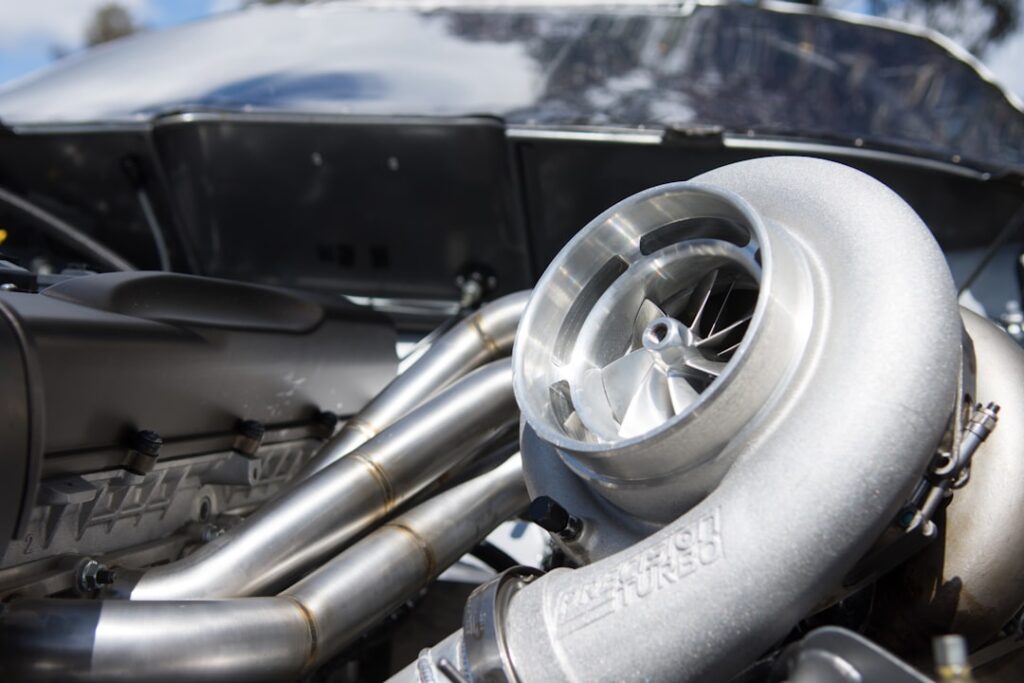

These turbochargers also stand out because of their symmetrical design that balances airflow efficiently. This design reduces turbulence inside the compressor housing, which helps maintain consistent boost pressure across a wider RPM range. For a drag racer, this means you get a solid hit of power right off the line, not just at high revs. It’s a detail that might not be obvious until you experience the difference on a timed run or track day.
Heat management is another area where next gen 6266 turbos excel. They often use advanced alloys and coatings designed to handle extreme temperatures without warping or degrading. This matters because excessive heat can cause premature wear on turbine blades and housings, leading to costly repairs. Keeping heat under control also means your engine won’t have to fight extra thermal stress, improving longevity during tough high-load conditions.
Upgrading to these turbos usually changes throttle response noticeably. Drivers with modified street cars often report that acceleration feels sharper and more immediate after the swap. That’s because the turbo’s quicker spool time reduces the delay between pressing the accelerator and feeling the boost. It makes daily driving more responsive without sacrificing the ability to push hard on demand.
When shopping for a turbo upgrade, price is often a sticking point. Retailers sometimes run discounts on Precision Turbo products, which can help offset costs. For example, you might find deals offering 10 percent off on Precision Turbos. These promotions are worth tracking if you want to improve your setup without breaking the bank.
Comparing turbo models isn’t just about horsepower ratings. Look at specifications like compressor efficiency, turbine housing size, and maximum boost pressure. These factors impact how the turbo performs in real-world applications. Websites like performance turbocharger options let you compare specs side by side, making it easier to pick what fits your engine and driving style.
One practical tip for installation: always check for proper oil feed and drain lines. A common mistake is using lines that are too narrow or poorly routed, which can starve the turbo of lubrication and cause early failure. It’s a detail often missed in casual builds but critical for reliability. Also, confirming your engine management system is tuned to handle the new turbo setup prevents running too lean or rich, conditions that can damage your engine.
Customer support can make or break your experience with aftermarket parts. Look for manufacturers who provide clear installation guides and responsive technical help after purchase. Knowing you can get advice if something doesn’t fit right or if you run into tuning questions reduces stress during what can be a complicated upgrade process.
If you want a turbo that combines solid engineering with real-world performance gains, check out the next gen 6266. It’s a reliable choice for anyone aiming to boost power without waiting forever for the turbo to spool.