
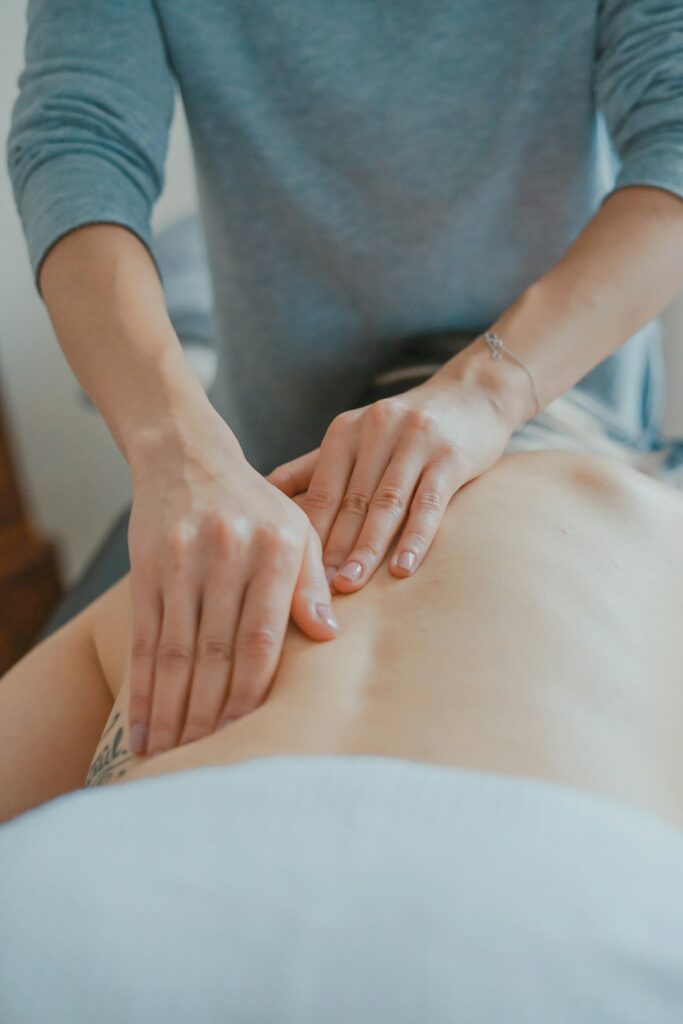

Manual therapy may help when a stiff joint or sore muscle is restricting movement. It can involve joint mobilisation, soft tissue work or guided stretching, with the immediate aim of easing symptoms or making movement easier. That relief may allow you to begin useful exercises, but hands-on treatment alone may not address why a problem keeps returning. Exercise therapy works on strength, control and tolerance over time. For example, someone with recurring knee pain might build hip and leg strength for stairs, rather than depend on repeated treatment whenever the discomfort returns.
Sports physiotherapy is not reserved for professional athletes. It may help a weekend runner, football player or gym user decide how to adjust training after an injury and when to increase activity. Load management means changing training stress so the affected tissues have time to recover, while maintaining suitable fitness where possible. A runner with Achilles pain might temporarily reduce hills and speed sessions, then gradually rebuild distance. Progress should take account of pain during exercise and afterwards, rather than follow an arbitrary deadline. Clear guidance is often more useful than being told simply to rest or push through.
Dizziness requires a different assessment from a strained muscle. Vertigo describes the false feeling that you or the room is moving, sometimes after rolling in bed or turning your head. The vestibular system helps the brain interpret balance and movement signals from the inner ear and eyes, so problems in that system may affect steadiness. Treatment can include specific head movements or balance exercises when appropriate. These techniques do not suit every cause of dizziness. Persistent, severe or unusual symptoms should be medically assessed rather than assumed to be a routine inner ear problem.
Dry needling uses fine needles in selected muscle areas and is intended to influence local muscle sensitivity or tension. Some people find it useful, while others prefer exercise and hands-on care without needles. Temporary soreness can occur, so ask what role the technique has in your plan and what alternatives are available. Shockwave therapy applies mechanical sound waves to a painful area and may be considered for some persistent tendon or soft tissue conditions. It is not a universal fix. Before agreeing, ask about the diagnosis, treatment aim, possible discomfort and expected number of sessions.
A foot or leg problem can sometimes be affected by the way you walk. GaitScan records pressure information from the feet during standing or walking, adding detail to a clinical assessment. It should support, not replace, an examination and discussion of your symptoms. Pregnancy and post natal care may address changing loads, pelvic discomfort, abdominal recovery and a safe return to activity. Cancer rehabilitation needs careful coordination with the medical team, especially when fatigue, surgery or treatment effects alter exercise tolerance. In every case, the plan should reflect your current capacity rather than a standard routine.
Before choosing a clinic, ask who will assess you, what the first appointment includes and how progress will be measured. Ask whether treatment is aimed at reducing symptoms, restoring movement or returning you to a particular activity. A parent with shoulder pain may need advice that fits around lifting a child, while a shop worker may need a plan for prolonged standing. Check appointment times, fees and cancellation terms directly. General clinic appointment details can help you prepare, but a consultation is needed to decide which service fits your situation and whether referral elsewhere is appropriate.