
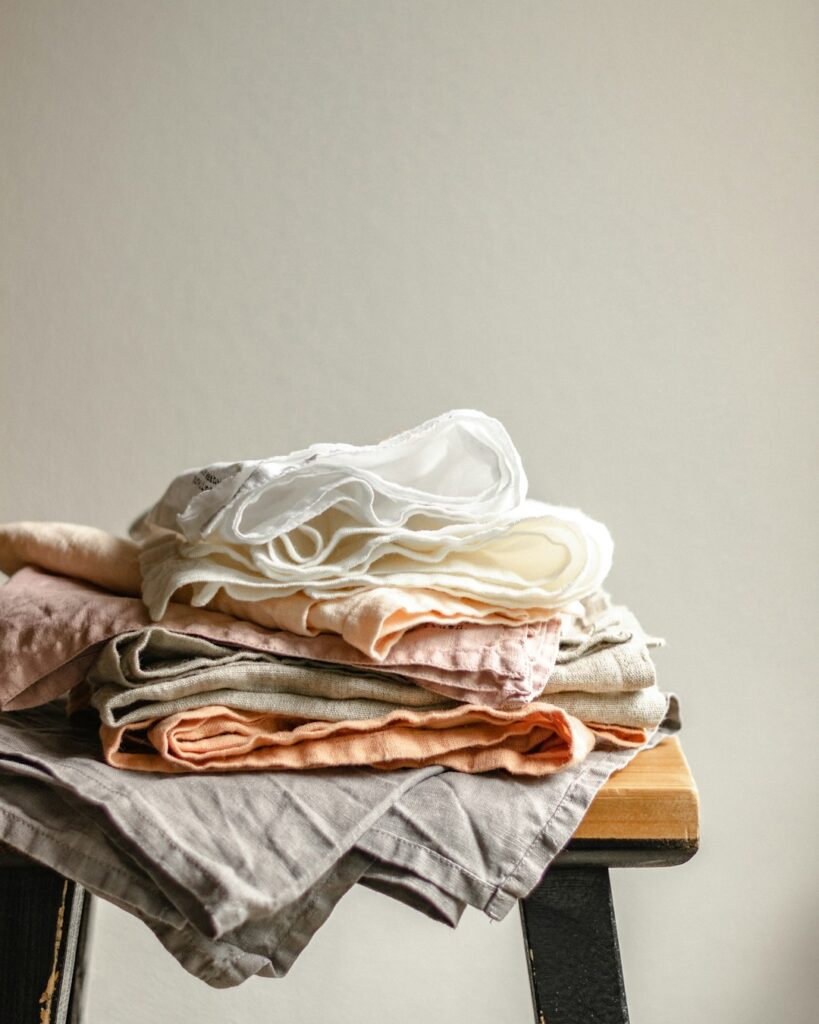

Fiber-to-fiber recycling breaks garments down to their original fibers, which can then be reused to make new fabrics. This reduces the need for virgin cotton or polyester, cutting environmental costs linked to farming and chemical production. For example, recycled cotton fibers avoid the water and pesticide use that comes with growing new cotton. This approach helps conserve resources and lowers the volume of waste sent to landfills or incinerators.
To implement this, businesses often team up with facilities that specialize in sorting and processing textile waste. These partners handle everything from damaged clothes to leftover production scraps. A good practice is to keep waste streams clean and well-sorted before sending them off, avoiding contamination that can ruin fiber quality. Reclaimed fibers are then spun into yarns suitable for fresh collections, creating a loop that supports both sustainability and cost savings.
The process starts by collecting post-consumer and post-industrial textiles. Materials go through sorting to separate fiber types, shredding to break fabrics down, and thorough cleaning to remove dyes and debris. Some facilities use chemical recycling methods to break synthetic fibers into their base polymers, enabling the creation of high-grade materials comparable to virgin fibers. Proper handling during each stage is key; even minor contamination can degrade the final product’s performance.
Recycled fibers can be transformed into a wide variety of products, from new clothing lines to home goods like rugs or upholstery. This versatility encourages innovation but requires brands to set clear quality standards when sourcing recycled materials. Otherwise, they risk inconsistent fabric strength or color fastness, which can lead to returns or customer dissatisfaction. Regular quality checks and open communication with suppliers prevent these issues.
Our newly opened facility boosts capacity for processing textile waste on a regional scale, addressing both environmental goals and growing consumer demand for ethical production. Investing in updated machinery and infrastructure allows us to handle higher volumes more efficiently. A practical tip for businesses entering recycling is to maintain detailed records of materials sent and received to avoid confusion and ensure traceability throughout the supply chain.
Let’s close this loop together by adopting fiber-to-fiber recycling in daily operations. Those committed to sustainability should explore how these practices fit their workflow. Fiber-to-fiber recycling not only reduces landfill contributions but also builds credibility with customers who prioritize transparency and environmental responsibility. To dive deeper into these methods, visit textile waste reduction strategies tailored for businesses seeking effective solutions.
As Scott Hamlin points out in conversations about textile sustainability, every small action matters in reducing fashion’s footprint. Seeing value in leftover textiles and embracing innovative recycling changes how companies operate and interact with their communities. Partnering with recycling experts and committing to ongoing improvements can reshape business models toward a more circular economy. For practical advice on managing textile waste collection and processing, check out regional textile recycling guidance.