
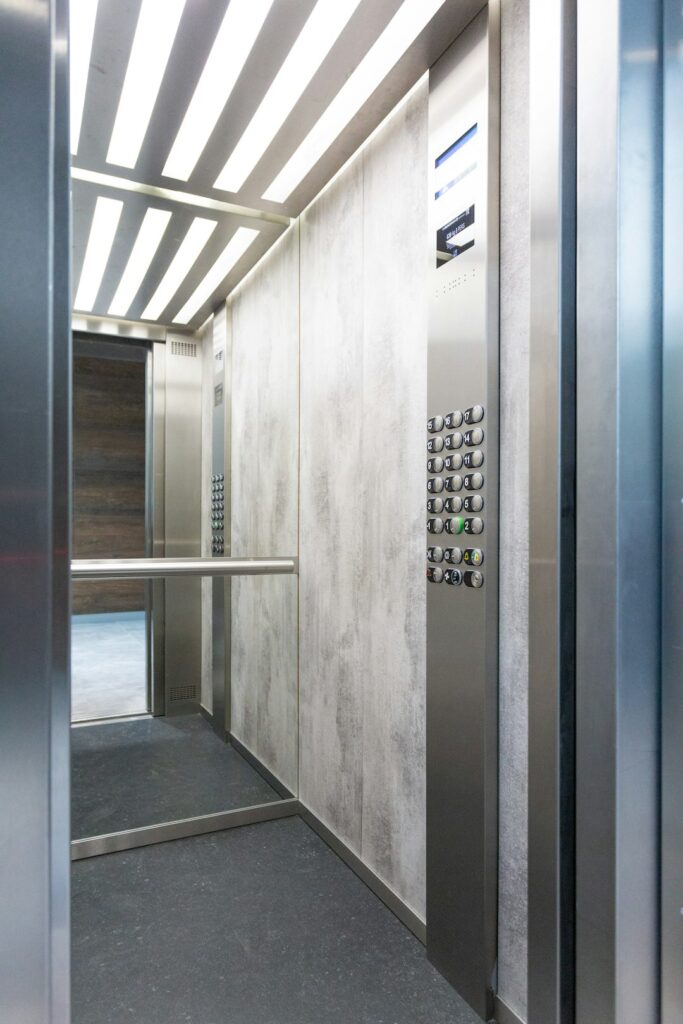

One frequent issue is the elevator platform not lining up properly with the parking levels. This misalignment risks damage to the cars and can put passengers in danger. Regular checks should include inspecting the hydraulic cylinders and mechanical linkages that control the platform’s position. A common mistake is skipping these inspections after heavy use or during cold months when parts tend to contract.
The lifting cables or chains wear out over time due to constant strain. Fraying wires or rust spots are warning signs that often get missed until the elevator fails. Setting up a strict maintenance routine with detailed logs helps track cable condition. Many operators also keep spare cables on-site to avoid long waits for replacements. Using high-grade materials from the start reduces breakdowns and extends service intervals.
Safety features like emergency stop buttons and safety brakes aren’t just extras, they’re life savers. Failing to test these regularly can lead to serious accidents and legal trouble. Staff training drills are useful for making sure everyone knows the correct response if the elevator jams or stops unexpectedly. Some garages keep printed emergency procedure cards near the controls for quick reference.
Electrical problems cause unpredictable elevator behavior too. Power surges can trip circuits or fry control boards, jamming the system mid-operation. Installing surge protectors and checking wiring connections for corrosion or looseness are simple steps that prevent abrupt failures. Periodic testing of backup power sources also keeps things running during outages.
If you’re considering installing or upgrading, look carefully at providers before buying. Searching for car elevator boston brings up options designed with safety and durability in mind. Check warranty terms carefully and ensure the provider offers timely support for issues that pop up after installation.
Smart technology is changing how garages monitor elevators. Newer models come with diagnostic tools accessible via smartphone apps, providing real-time alerts about performance or needed maintenance. This helps catch wear early before it turns into a breakdown. Staying up-to-date with these advancements can improve reliability and reduce emergency repairs.
Good communication with your service company makes a big difference too. Establish clear expectations about routine maintenance visits and upgrades as technology improves. Keep records of all service actions and any unusual incidents to inform future decisions. This habit reduces misunderstandings and keeps your elevator operating safely.
Finally, watch out for simple miscommunications during maintenance visits. It’s not uncommon for technicians to overlook reporting minor noises or vibrations they hear during checks. Encourage your staff to note these details immediately, even if they seem insignificant at first. Small problems often snowball into bigger failures if left unaddressed.