
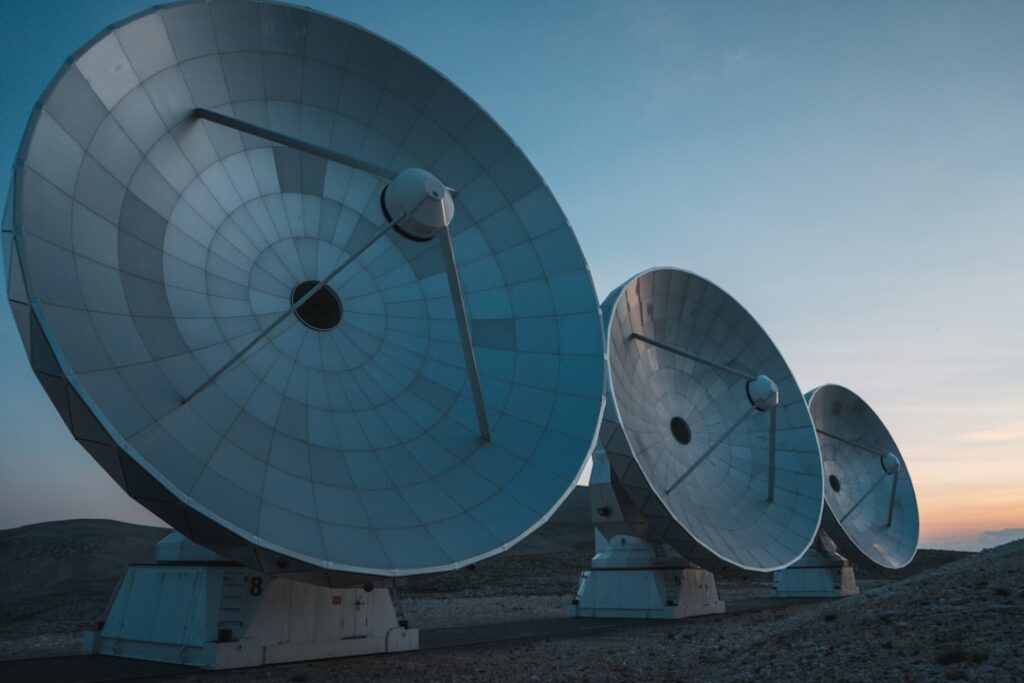

For businesses, especially those in broadcasting or communication, understanding UHF antennas makes a difference. Take a small radio station: using a decent UHF antenna helps them reach listeners further away and keeps audio clearer. In logistics or security, two-way radios depend on UHF antennas to maintain sharp, reliable transmissions across large sites or urban areas cluttered with obstacles. Poor antenna choice can cause dropped calls or static that wastes time and patience.
There are different types of UHF antennas suited for specific tasks. The Yagi-Uda antenna is a classic, designed for high gain and directionality, it focuses on signals from one direction while ignoring others. That’s why it’s popular for picking up distant stations without interference. On the other hand, dipole antennas provide a balanced reception pattern and are often the go-to for general TV viewing in residential setups. Picking the right design comes down to signal environment and where you want to receive or send signals.
How you install your antenna matters just as much as the model you buy. Positioning it high above ground, away from trees, walls, or metal objects, helps keep signals strong. If your antenna is near thick walls or dense foliage, expect weaker reception. Also, use quality coaxial cables with low loss to avoid signal degradation between antenna and receiver, cheap cables can undo your investment quickly. Taking time during setup to test signal strength and adjust placement can save headaches later.
Compatibility is often overlooked but important. Most modern TVs include tuners that work fine with UHF antennas. Older sets might need an external tuner box or adapter. Also, if you’re connecting to radios or other devices, check frequency ranges and impedance matching to avoid signal mismatch that causes poor performance. Checking manuals or consulting a technician can prevent wasted effort.
UHF antennas aren’t just for homes. Emergency responders depend on them for communication in tough conditions where cell networks might fail. Their ability to carry signals over long distances and through urban clutter is critical during crises. Advances in design mean some antennas now fit into vehicles or handheld gear without bulky setups, giving greater mobility without sacrificing signal quality.
If you want to improve your signal reach or upgrade communication gear at work, consider options at uhf antenna. A well-chosen antenna tailored to your environment can make a real difference in clarity and range. Whether it’s replacing an old unit or setting up new equipment, investing in quality hardware and proper installation leads to fewer interruptions and better coverage.
Knowing how UHF antennas function helps you pick gear that matches your needs. There are plenty of products on the market today; taking time to compare specs like gain, bandwidth, and directionality will point you toward the right choice. Checking signal strength after installation confirms everything works as expected. A simple signal meter or app can help spot weak points so you can adjust placement or swap components as needed.
For practical advice on matching antennas with your setup, visit radio communication equipment selection. Finding compatible gear reduces frustration and keeps devices running smoothly across your operations.