
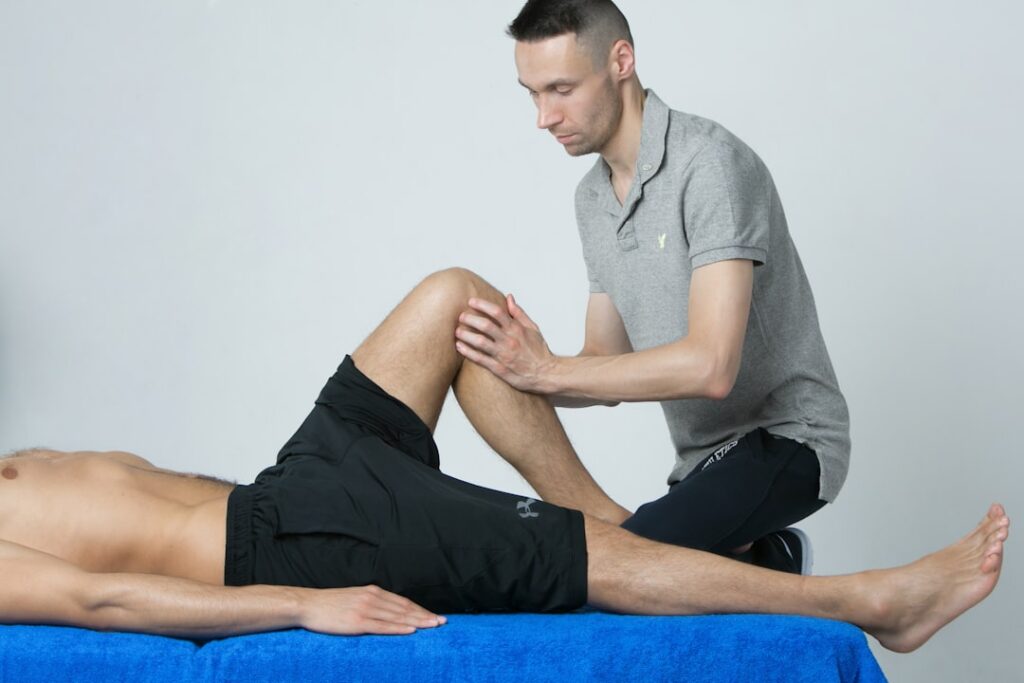

The goal of antenatal physiotherapy is to prepare the body for labor while addressing common problems like pelvic girdle pain and sciatica. Methods include manual therapy, targeted exercises, and breathing strategies. Say a pregnant woman experiences pelvic girdle pain; her therapist will design exercises to strengthen her core and hips, improving stability and reducing strain. It’s not unusual for therapists to adjust plans week-to-week based on how symptoms change, so regular check-ins are important. Also, therapists often coach on how to avoid movements that worsen pain during daily tasks.
Education is a key part of antenatal therapy. Women receive guidance about labor expectations and post-birth recovery. Learning breathing techniques to manage contraction pain or practicing positions that ease labor discomfort can make a big difference. For instance, side-lying during contractions might be suggested to reduce pressure on the pelvis. A common misstep is underestimating how much rest and hydration affect these techniques; physiotherapists remind clients to prioritize these basics alongside exercises.
After birth, post-natal physiotherapy supports recovery from issues like diastasis recti or pelvic floor weakness. A therapist guides new mothers through exercises that rebuild core strength and pelvic stability gradually, respecting healing timelines. It’s normal for women to feel unsure about what movements are safe early on; a skilled therapist provides clear, step-by-step instructions and adjusts the pace based on individual progress. Simple habits like avoiding heavy lifting too soon or learning how to brace the core during activities help prevent setbacks.
When looking for antenatal physiotherapy in Mosman, focus on practitioners with women’s health experience. Credentials matter, but so does communication style. The best therapists listen carefully and tailor programs to fit your lifestyle and concerns. Some women find it helpful if their therapist explains the ‘why’ behind each exercise, this can improve motivation and adherence. Scheduling appointments at consistent times each week also helps maintain routine and track improvements.
Location and convenience count too. Choose a clinic near home or work to reduce stress about attending sessions regularly. Many Mosman clinics offer early morning or evening appointments to fit busy schedules, which can be a lifesaver for working moms-to-be juggling multiple commitments. It’s worth asking if the clinic offers virtual consultations or follow-up check-ins by phone; this flexibility often improves continuity of care.
For more information on antenatal physiotherapy options, local community centers sometimes host prenatal health workshops that cover basics and allow you to meet therapists informally. Online resources can clarify what therapies involve but beware of generic advice not tailored to pregnancy stages. Taking time to understand available services helps you choose care that matches your personal needs.
Prioritizing antenatal and post-natal physiotherapy supports a healthier pregnancy and smoother postpartum recovery. The right guidance eases discomfort and builds confidence for the months ahead. To explore specific services nearby, you can visit antenatal physiotherapy mosman. For broader information on physiotherapy options, check out .